
Edit No.31
Barcelona, on the Outside
Torre Melina · El Racó del Cargol · Bunkers del Carmel · Sant Pau · Can Travi Nou
Barcelona is usually described from the centre out: the Gothic Quarter, the Eixample, the Modernista façades and the Mediterranean. This edit begins at the other end of the city, where Avinguda Diagonal reaches Les Corts and Barcelona loosens around its edges.
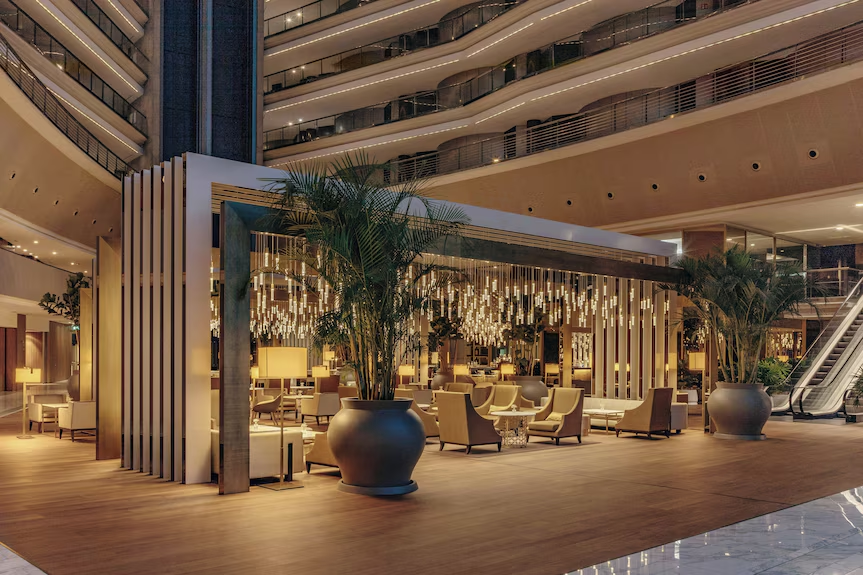
Torre Melina belongs to several versions of that outer Barcelona at once. A medieval farmhouse and estate once occupied the site. Josep Fontserè designed gardens here in the 19th century. Then Olympic Barcelona arrived, replacing the country house with the vast Hotel Rey Juan Carlos I in 1992.
Across the municipal line in L'Hospitalet, El Racó del Cargol makes a different argument for the same edit: proper Catalan cooking, a family restaurant history that began in market bars, and a €23.90 menú del día within walking distance of Camp Nou.
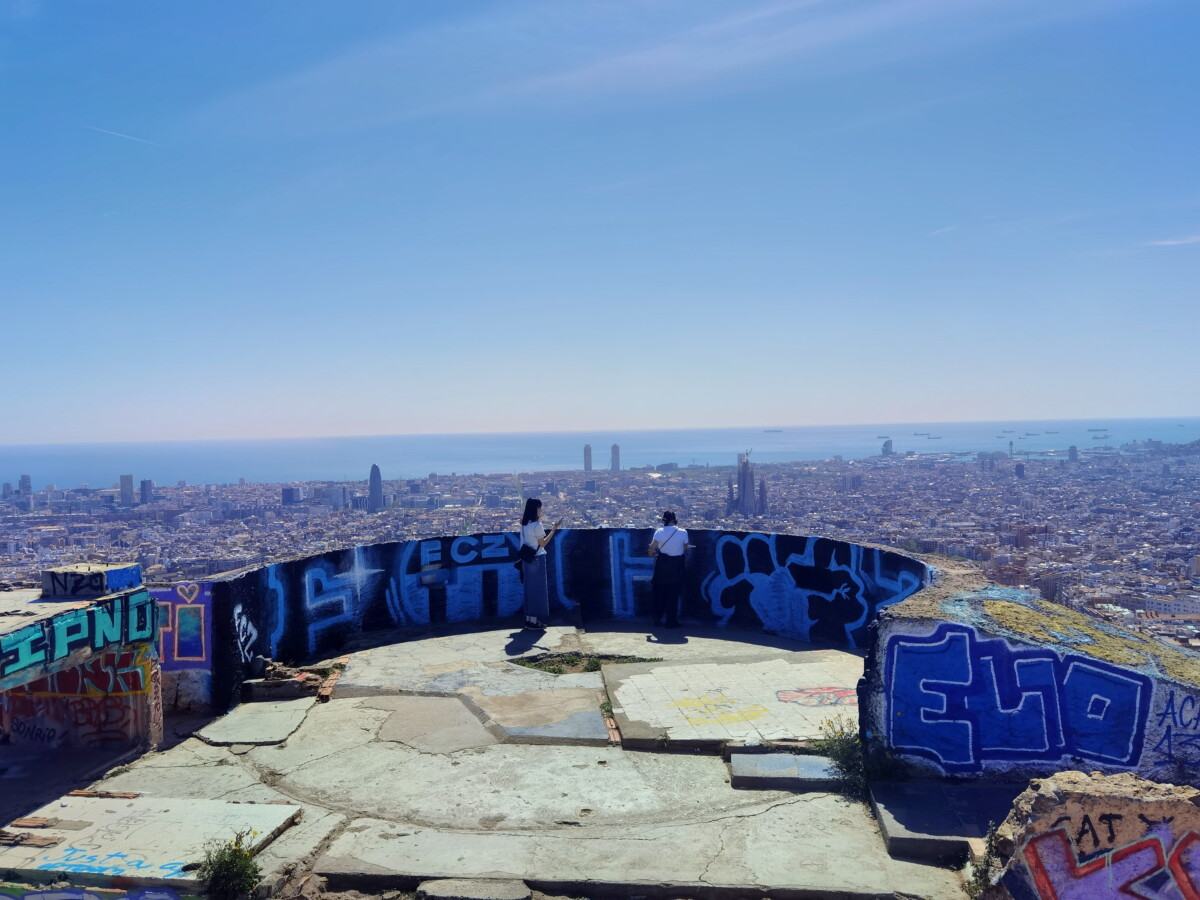
Above El Carmel, Bunkers del Carmel turns the view itself into a problem of memory: a Civil War anti-aircraft battery that became the Barri dels Canons, a neighbourhood of around 600 people, before becoming Barcelona's most misunderstood lookout.
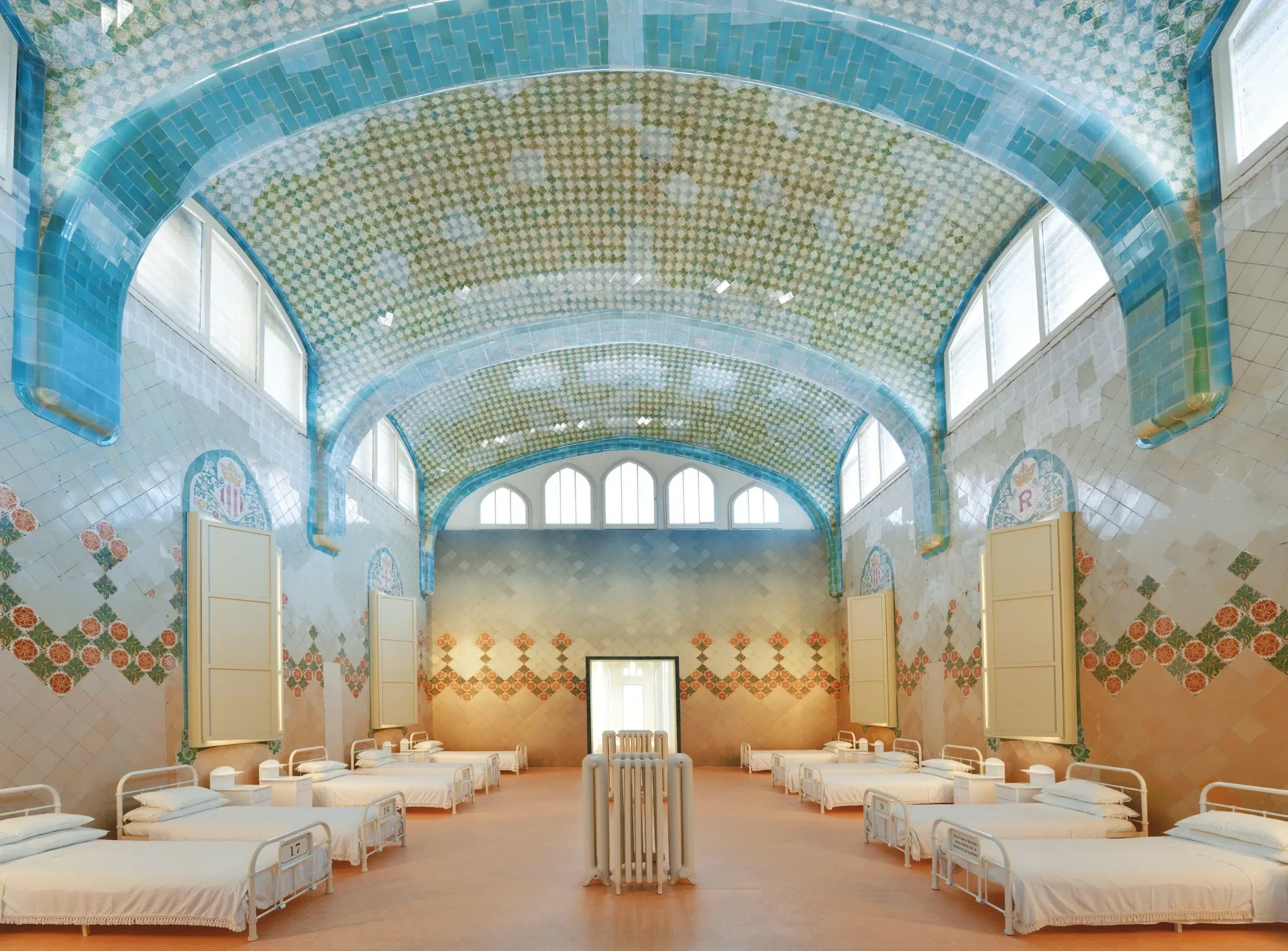
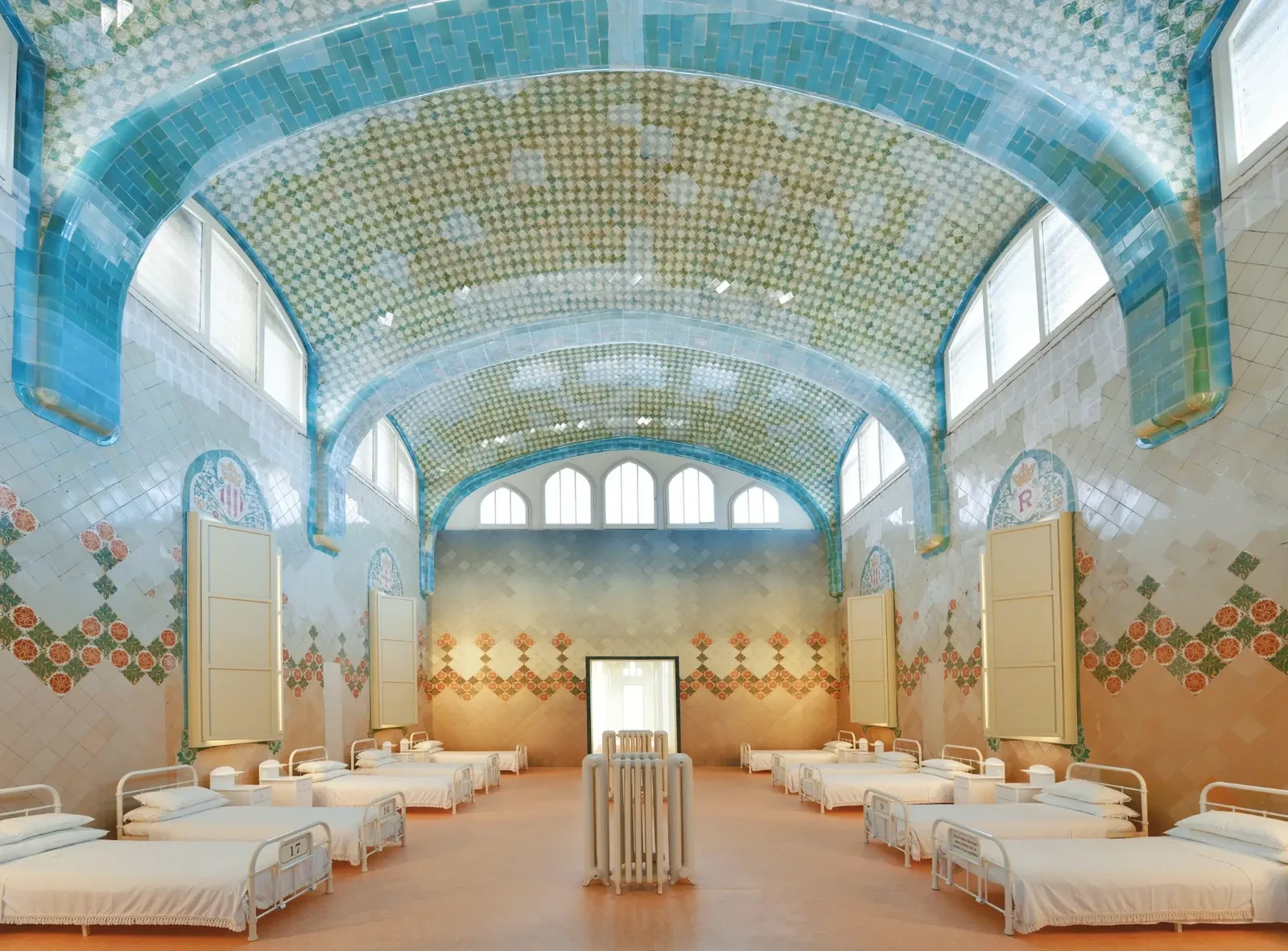
And ten minutes uphill from the Sagrada Família, Sant Pau Recinte Modernista makes the quieter case for Barcelona's other Modernista masterpiece: a hospital built as a garden city around light, air and space.
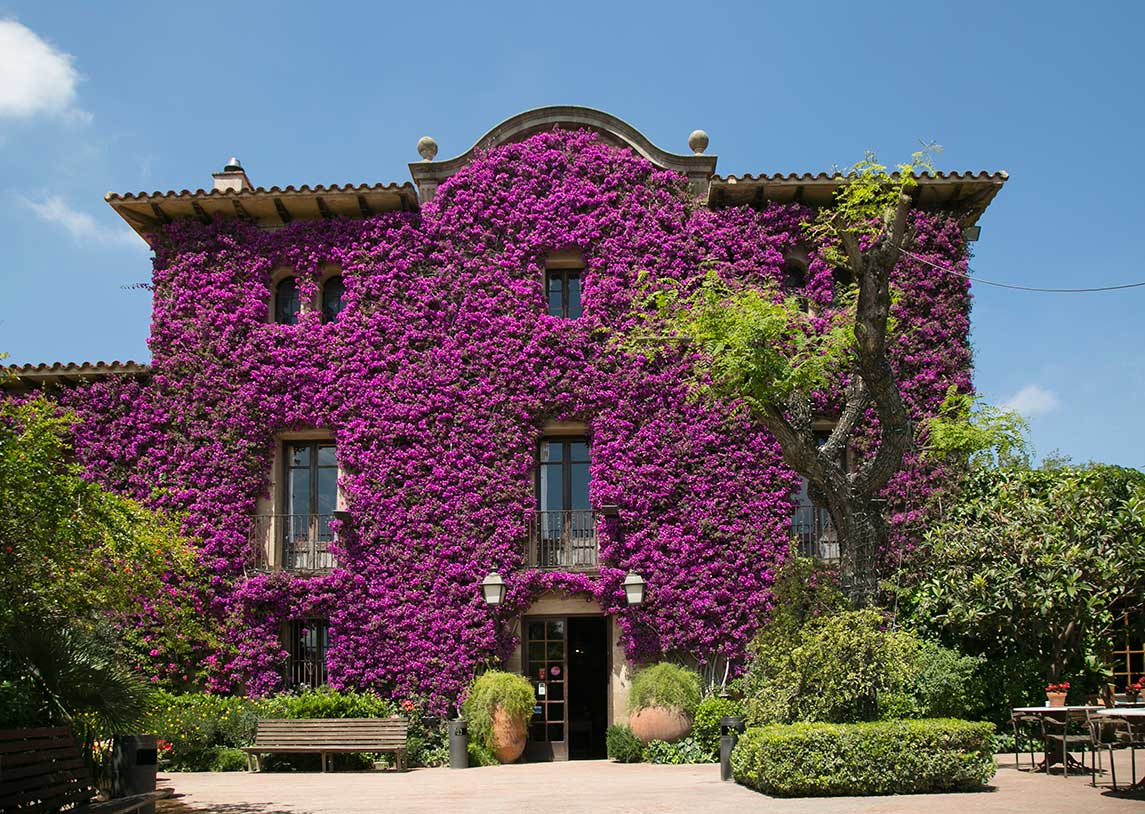
Further north in Horta, Can Travi Nou returns the edit to the rural ground beneath the modern city: a masia that was farm, country residence and, since 1982, restaurant, while Barcelona grew around it.
The pieces that follow look at Barcelona from this direction: the places beyond the centre where farmland, gardens, neighbourhood restaurants, infrastructure, wartime remains, healthcare, Modernisme and the city's outward growth remain visible beneath what came later.
In this edit
Place
Can Travi Nou — The Farmhouse the City Grew Around
There was a time when Can Travi Nou wasn't an old farmhouse hidden inside Barcelona. It was simply a farmhouse, surrounded by fields and livestock in rural Horta. The unusual thing isn't that the building is still here. It's that almost everything around it changed.
Experience
Sant Pau — The Hospital Built Around Light and Air
A ten-minute walk uphill from the Sagrada Família queue is another Modernista masterpiece, built around an unusually modern proposition for 1902: that a hospital should give its patients light, air, gardens and space.
Experience
Bunkers del Carmel — The Neighbourhood That Outlasted the War
Everyone climbs the Turó de la Rovira for the view. Almost nobody knows that the concrete they're sitting on was never a bunker, or that around 600 people lived up here for four decades after the guns fell silent.
Place
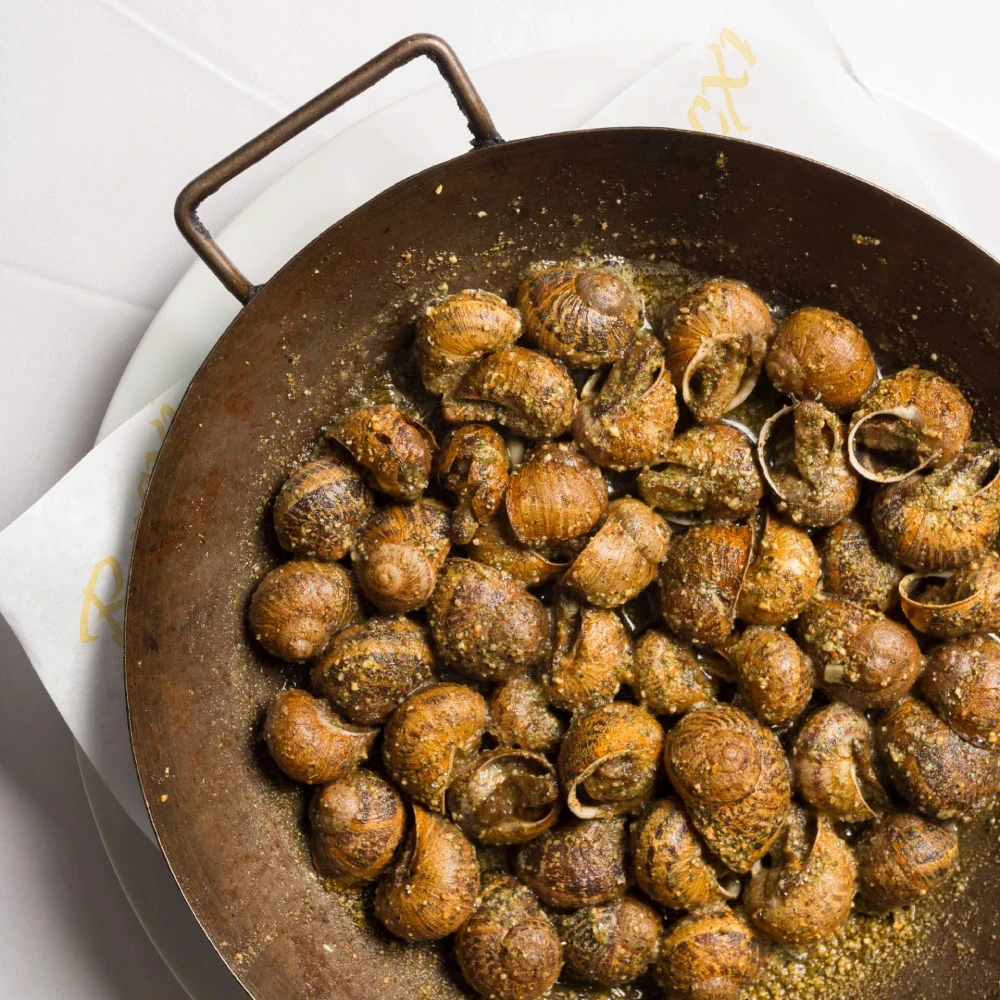
El Racó del Cargol — The Snails Cost Extra
A restaurant named after snails, a short walk from one of the most famous football grounds in Europe, in a municipality most of the people walking past it don't realise they've entered. The snails cost extra.
Living
Torre Melina — The Hotel That Put the Farmhouse Back in Its Name
For more than three decades, one of Barcelona's biggest hotels carried the name of a king. When it reopened in 2024, it took the name of the farmhouse that had been here first. That tells you rather more about Torre Melina than its five stars do.
Questions
- What does Edit No.31 cover?
- Barcelona beyond its central tourist districts — the places at the city's edges where older landscapes, neighbourhood restaurants, wartime remains, Modernista healthcare architecture, rural Horta and more recent infrastructure meet. It includes Torre Melina in Les Corts, El Racó del Cargol in L'Hospitalet, Bunkers del Carmel above El Carmel, Sant Pau Recinte Modernista in Guinardó and Can Travi Nou in Horta.
- Where does the edit begin?
- At the western and outer edges of the city: Torre Melina in Les Corts, El Racó del Cargol just across the municipal boundary in L'Hospitalet near Camp Nou, Bunkers del Carmel on the Turó de la Rovira, Sant Pau Recinte Modernista above the Sagrada Família route and Can Travi Nou in Horta.
- Why is the edit called Barcelona, on the Outside?
- Because it looks at the city from its outer districts rather than treating the centre as the only Barcelona worth visiting.
- Is Sant Pau in the edit?
- Yes. The Sant Pau piece looks at the former Hospital de la Santa Creu i Sant Pau as Barcelona's other Modernista masterpiece: a UNESCO-listed garden city for healthcare, ten minutes uphill from the Sagrada Família.
- Is Bunkers del Carmel in the edit?
- Yes. The Turó de la Rovira piece looks beyond the view to the anti-aircraft battery built in 1937 and the Barri dels Canons neighbourhood that occupied the hill for roughly four decades afterwards.
- Is Can Travi Nou in the edit?
- Yes. Can Travi Nou closes the edit in Horta, where an old Catalan masia survived the district's shift from rural landscape into modern Barcelona and now operates as a restaurant.
- How are places chosen for an edit?
- On whether they hold up in use rather than in marketing. Everything here is assessed for what it actually does — the building, the land, the people and the experience — and written up on that basis.