Place
Can Travi Nou — The Farmhouse the City Grew Around
There was a time when Can Travi Nou wasn't an old farmhouse hidden inside Barcelona. It was simply a farmhouse, surrounded by fields and livestock in rural Horta. The unusual thing isn't that the building is still here. It's that almost everything around it changed.
By James B. Stoney, Editor · 17 September 2026
Before This Was Barcelona
Horta doesn't make complete sense until you remember that it wasn't always Barcelona.
Well into the nineteenth century, this was a landscape of water, cultivation and masies. Barcelona's municipal archive describes farmhouses dominating the fertile Horta landscape before twentieth-century urbanisation gradually consumed much of it. Some survive: Can Fargas, Can Mariner, Can Cortada and the Can Travi properties among them. Barcelona still runs historical walks specifically tracing what remains of this rural Horta.
Can Travi Nou was part of that world. Its precise age is surprisingly difficult to settle. The restaurant itself describes a 17th-century masia, while other historical sources date the surviving building to the beginning of the 18th century. Three centuries later, the difference hardly changes the story.
This was not a building constructed to provide Barcelona with a picturesque approximation of country life. The country was here first.
Why It's Called Nou
The name makes more sense once you find the other Can Travi.
The property and surrounding land originally belonged to the Samsó family, landowners in Horta. At the beginning of the nineteenth century it passed to Joaquim Simó, who had worked as the masover, or tenant farmer, at nearby Can Travi Vell. The association gave this property its name: Can Travi Nou — the new Can Travi.
For years, cultivation and livestock continued here. Horta was particularly well suited to it. Water was one of the defining features of the area, supplied by streams, wells and underground mines. During the nineteenth century the Can Travi water system itself was developed into a 1.9-kilometre underground channel carrying water towards the houses and fountains of Horta.
It is difficult to reconcile that landscape with modern Barcelona until you arrive somewhere like this. Then fragments of it start to make sense.
The Farmhouse Changes First
Can Travi Nou wasn't preserved unchanged while the city transformed around it. It changed too.
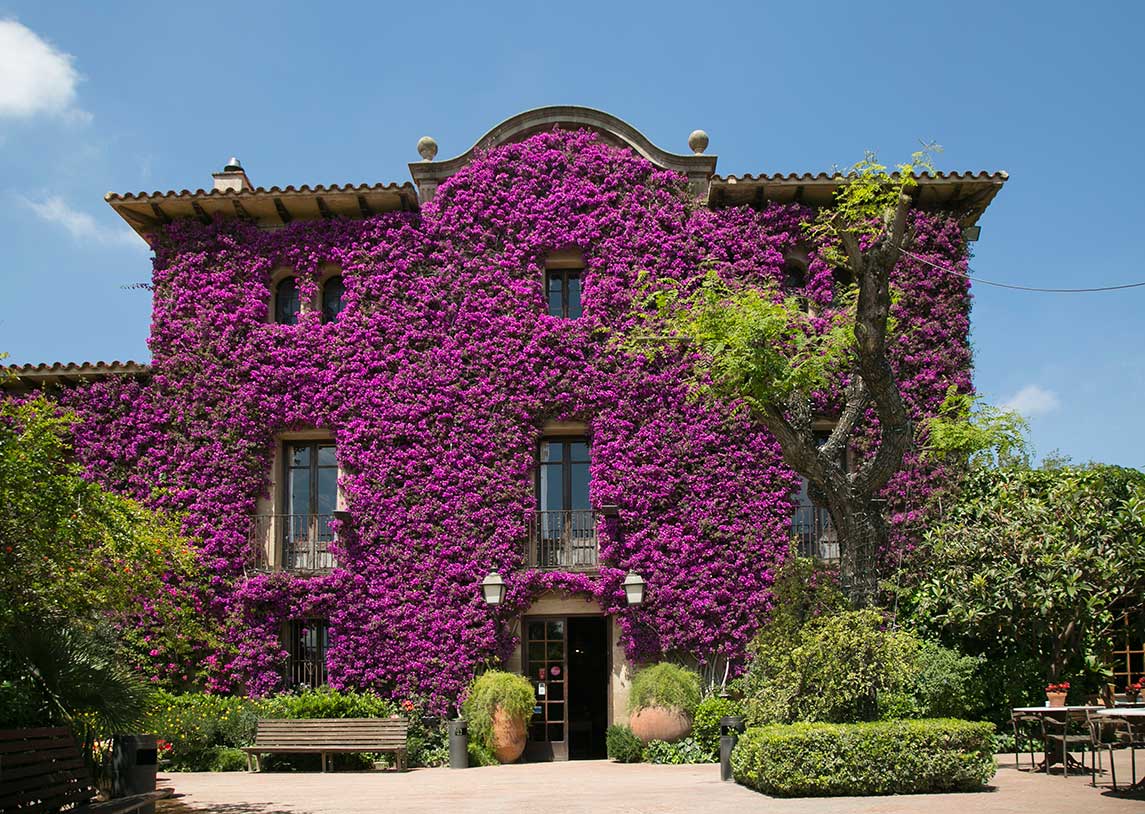
In the early 1920s, after its long agricultural use, the building was remodelled into what the historical record calls a masia-torre senyorial — something closer to a genteel country residence. Another floor was added while retaining the underlying form of the traditional masia. Can Travi Nou's own history confirms the agricultural and livestock use and the early-1920s transformation.
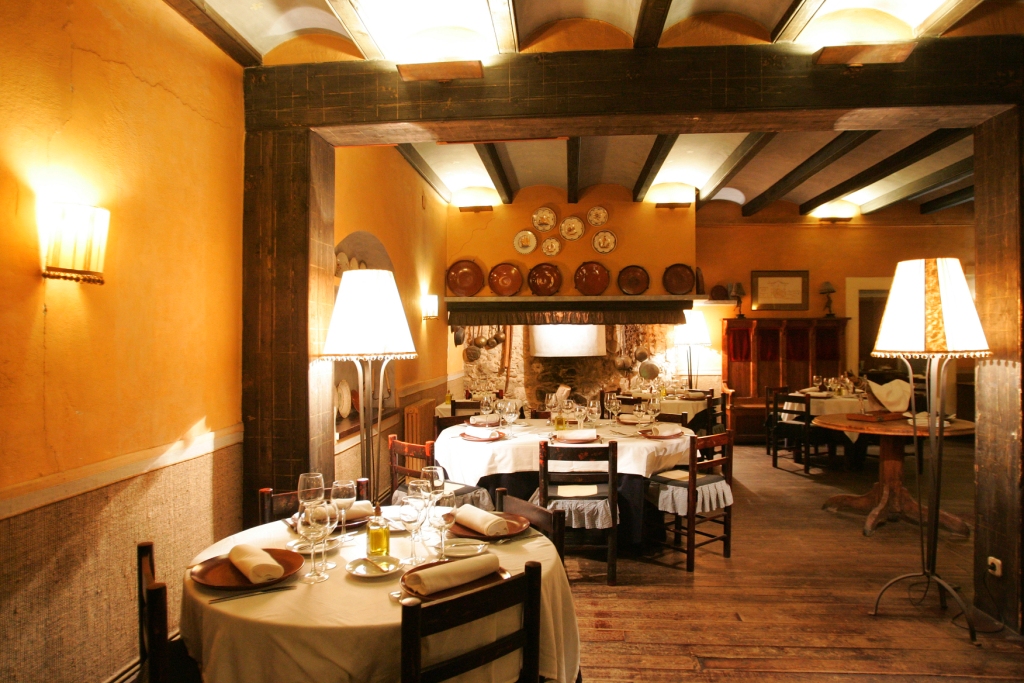
That matters because it stops the building becoming a piece of false nostalgia. The Can Travi Nou you see today isn't a farmhouse frozen at some arbitrary moment in rural Catalonia. It has been altered repeatedly according to what people needed it to be.
The more remarkable act of preservation came later. As new development transformed the surrounding area, the owners resisted selling the property for housing. Barcelona's district history even records an extraordinary offer from an American buyer who apparently wanted to purchase the building and take it to the United States. The family refused, Barcelona kept building, and Can Travi Nou stayed.
Dinner Arrives in 1982
By the beginning of the 1980s, however, an old family masia needed another purpose. In 1982, it became Can Travi Nou restaurant, beginning the next stage of the building's life. The business subsequently expanded into what is now Grup Travi, and Can Travi Nou still dates its restaurant history from 1982.
The food has changed with it. This isn't a historical exercise in Catalan cooking. The restaurant describes what it does as Mediterranean and market cooking, and the current menu moves beyond tradition. But its centre of gravity remains recognisably local, with Catalan ingredients, grilled meats, rice and dishes rooted in the cooking of the region.
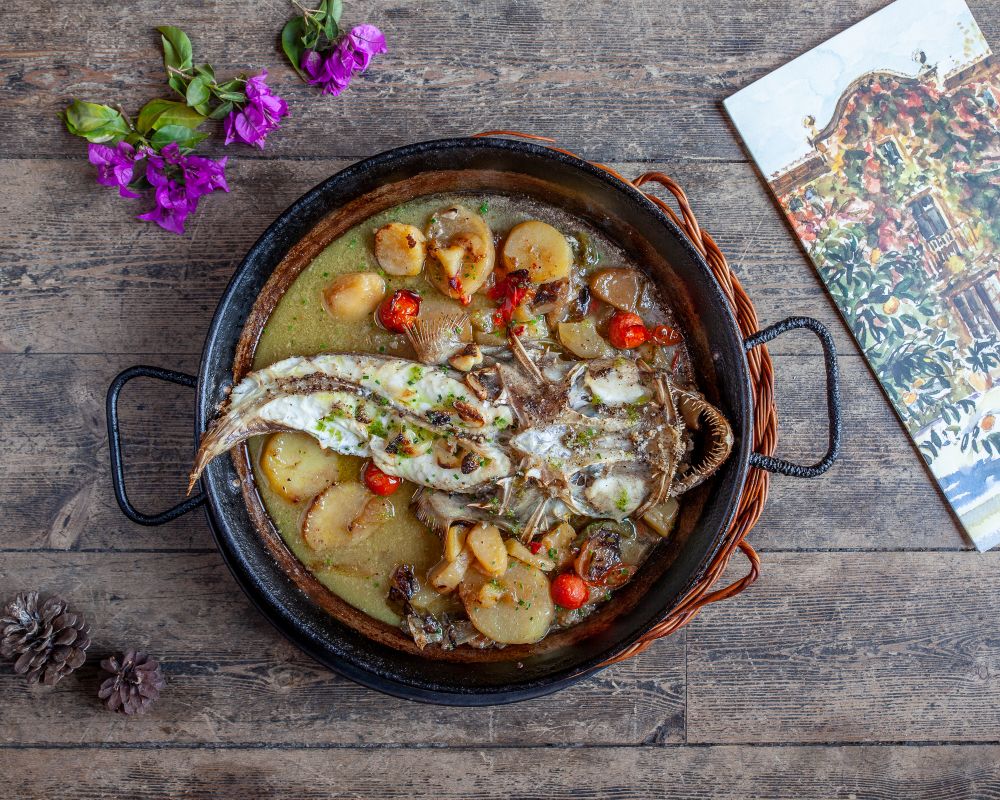
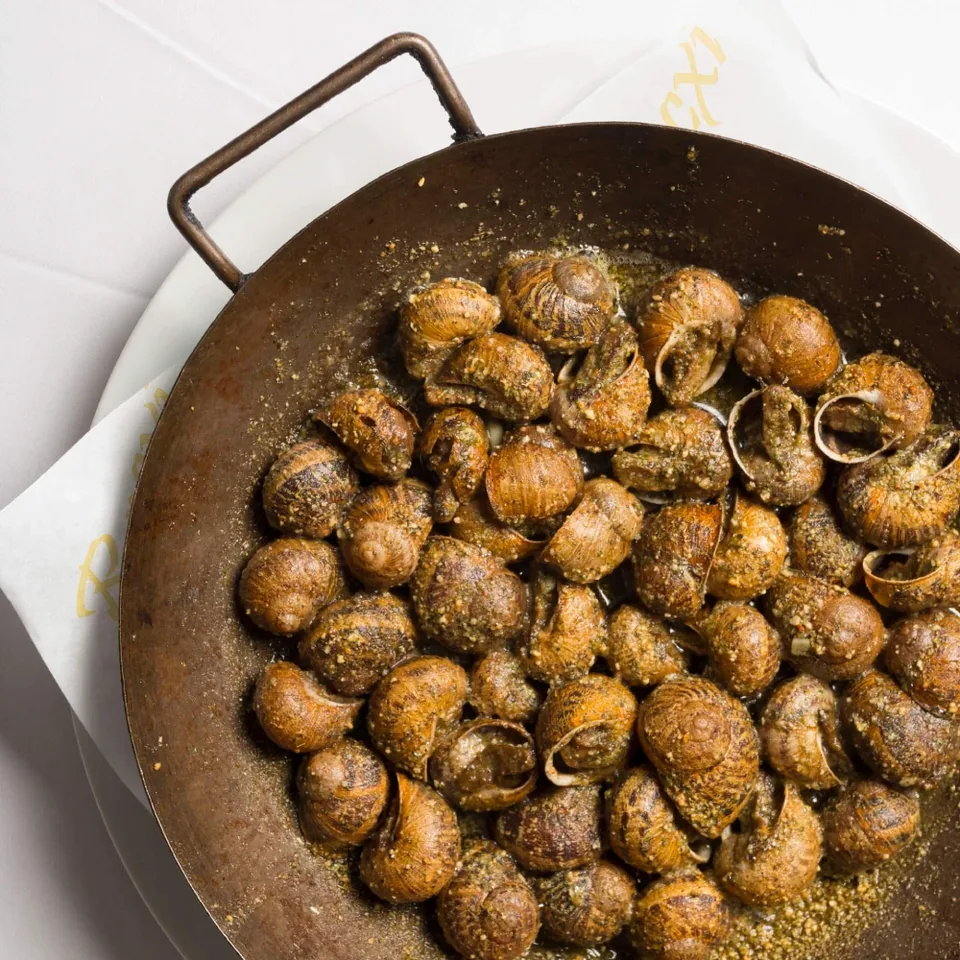
In calçot season, the connection becomes more literal. Can Travi Nou serves the full calçotada: charcoal-grilled calçots with romesco, followed by grilled meats, beans and potatoes, crema catalana and red wine. It is exactly the sort of meal the building seems designed to contain.
The City Outside
The most interesting moment comes when you leave.
Inside the grounds, it is easy enough to participate in the illusion. Stone walls, timber, gardens and the old proportions of the masia briefly make the surrounding city disappear. Then you step back out into Horta-Guinardó, and modern Barcelona is right there.
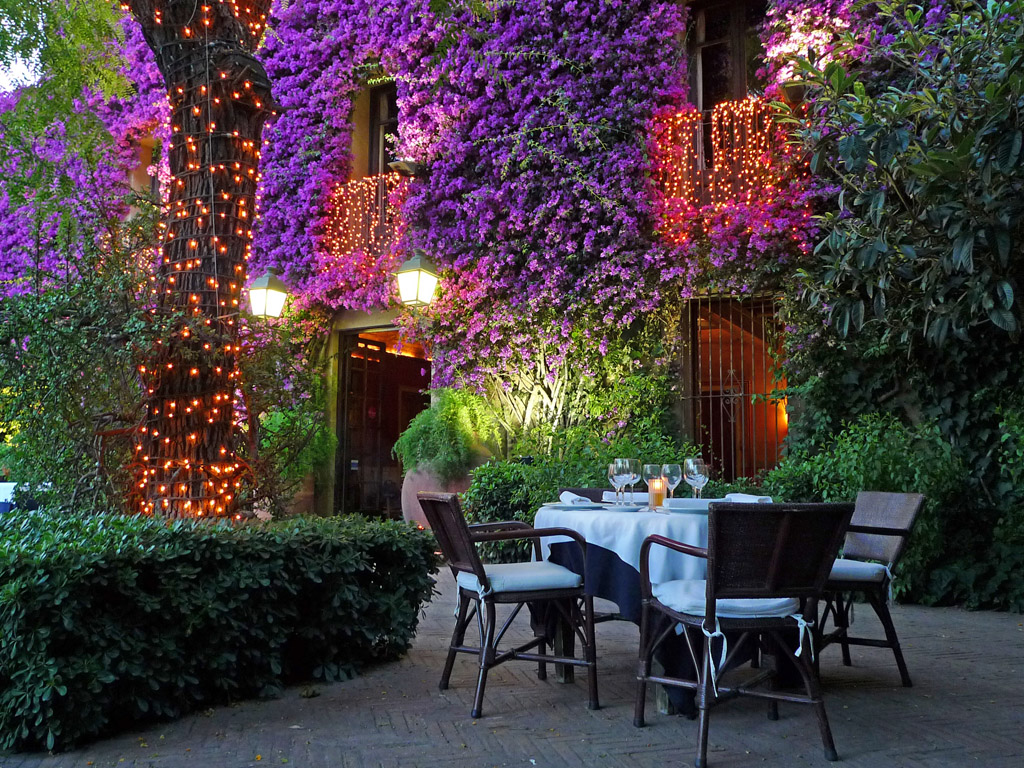
That contrast is the point. Can Travi Nou didn't survive because this corner of Barcelona escaped development. Quite the opposite. The fields and agricultural holdings that once made buildings like this ordinary largely disappeared as Horta urbanised. The farmhouse became unusual because the city around it changed.
Barcelona's historical material now treats the surviving masies of Horta as a way of recovering the area's rural and agricultural past. Can Travi Nou has the advantage that you can recover it over lunch.
Why It Earns Its Place
Because this isn't a recreation of rural Barcelona. It is a survivor from it.
Can Travi Nou has been agricultural property, farmhouse, country residence and restaurant. Its surroundings have undergone the greater transformation: fields became streets, an independent Horta became part of Barcelona, and buildings that were once ordinary features of the landscape became historical curiosities.
There is a temptation with old restaurants to value age for its own sake. That isn't really the appeal here. The interesting thing is continuity of use — people worked here, people lived here, and since 1982 people have eaten here.
The farmhouse survived not by remaining unchanged, but by repeatedly finding another reason to exist. Barcelona grew around it. It adapted just enough to stay.
The Lifestyle Edit Scorecard
- Setting
- 9.3 / 10
- Food
- 8.8 / 10
- Atmosphere
- 9.2 / 10
- Character
- 9.3 / 10
Who it's for
- Anyone looking for Catalan and Mediterranean cooking somewhere that feels genuinely connected to the city it serves.
- Visitors prepared to leave Barcelona's central restaurant circuit.
- Anyone interested in the fragments of rural Horta that survived the city's expansion.
Questions
- What is Can Travi Nou?
- Can Travi Nou is a historic Catalan farmhouse in Barcelona's Horta-Guinardó district that has operated as a restaurant since 1982. Today it describes its food as Mediterranean and market cuisine.
- How old is Can Travi Nou?
- Sources disagree. Can Travi Nou describes the property as a 17th-century masia, while other historical sources date the surviving building to the beginning of the 18th century. It was substantially remodelled in the early 1920s.
- Why is it called Can Travi Nou?
- The name derives from its historical connection with nearby Can Travi Vell. Joaquim Simó, who had been the tenant farmer there, acquired this property in the early nineteenth century, leading it to become known as the 'new' Can Travi.
- When did Can Travi Nou become a restaurant?
- Can Travi Nou dates the restaurant from 1982.
- Is Can Travi Nou actually an old farmhouse?
- Yes. Its own history records years of agricultural and livestock use before the property was remodelled as a more genteel masia-torre in the early twentieth century.
- Does Can Travi Nou serve a calçotada?
- Yes. During calçot season it offers a dedicated calçotada menu built around charcoal-grilled calçots with romesco, followed by grilled meats and traditional accompaniments.
- Is Can Travi Nou in Barcelona?
- Yes. It is in Horta, in the Horta-Guinardó district of Barcelona, at Carrer de Jorge Manrique in Parc de la Vall d'Hebron.