Living
Hyll — The Cotswolds Hotel That Wants You to Do Nothing
Country-house hotels have become very good at giving you things to do. Hyll has built itself around the opposite idea.
By James B. Stoney, Editor · 14 September 2026

Come for lunch. Sit on the terrace. Read something. Walk if you feel like it. Have another drink. There is no enormous spa to navigate and no timetable suggesting that relaxation itself requires organisation.
Sometimes the most luxurious thing a hotel can provide is nowhere else you need to be.
Doing Less
Hyll sits at Charingworth, a few miles outside Chipping Campden, looking across the North Cotswolds.
At its centre is an old manor house, with bedrooms divided between the historic building and converted courtyard accommodation. The hotel dates the oldest part of the house to the 14th century, although inevitably it has been altered and extended considerably over its long history.
What matters more is what Hyll has decided to do with it. The hotel's language is unusually explicit. Its suggestions are divided into "Do Something" and "Do Nothing."
The former covers the Cotswolds beyond the gate: walking, shopping, racing, festivals and exploring the surrounding towns and villages. The latter may be the more interesting proposition. Read. Wander around the garden. Sit in an armchair. Have tea and toast. Don't feel particularly obliged to turn any of it into an activity.
For a modern country-house hotel, this is surprisingly countercultural.
No Spa Required
The luxury-hotel version of rest has become remarkably busy. There are treatment schedules, hydrotherapy circuits, fitness classes, guided walks, cold-water immersion, meditation sessions and increasingly elaborate programmes designed to optimise the act of switching off.
Hyll largely avoids that machinery. There isn't currently a conventional hotel spa or swimming pool. Instead, the focus is on the things country houses were rather good at before anybody started calling them wellness: comfortable rooms, gardens, books, fires, food and places to sit for longer than strictly necessary. Treatments are available in-room, but they don't dominate the proposition.

The bedrooms follow much the same approach. Some occupy the Manor House, others sit around the courtyard. The emphasis is on comfort, sleep and an absence of unnecessary complication rather than filling the room with things simply because luxury hotels are expected to have them.

It isn't revolutionary. That's rather the point.
The Terrace
On a sunny day, the terrace should be Hyll at its best.

The gardens fall away towards the Cotswold countryside, lunch can be served outside and there is very little pressure to move once you've finished it.
Even the hotel cat appears to understand the proposition. Friendly enough to introduce itself but sufficiently independent not to become entertainment, it spent part of our visit stretched out in the sunshine on the terrace alongside the guests. There are hotels where an animal like that would somehow have acquired a name badge, an Instagram account and a paragraph on the website. Here, it was just a cat lying in the sun.
It is precisely the kind of small, unmanufactured detail that suits Hyll.
The setting wasn't quite as seamless during our visit as that sounds. Building work was taking place, temporarily interrupting some of the tranquillity. Hotels evolve, however, and construction finishes. It would be unfair to treat temporary work as though it were a permanent characteristic of the place.
There is another issue that is harder to dismiss.
When the Back of House Meets the Front
The kitchen sits immediately beside this otherwise peaceful part of the hotel, and the operational route from it appears to cross the lawn in front of the terrace.
During our visit, that meant watching members of staff carrying rubbish across the grass while guests were sitting outside eating and drinking. It also meant hearing the kitchen throughout — the noise of a working service, and the traffic in and out of it, arriving on the terrace along with the food.
Nobody was doing anything wrong. The staff were simply operating the hotel. The problem is the route.
Good hotels depend upon an enormous amount of activity guests are generally not supposed to notice. Kitchens receive deliveries, bins need emptying, laundry moves around and people spend much of the day getting things from one side of a building to another. Good design separates those movements from the guest experience wherever possible. At Hyll, one of them appears to run straight across it.
It sounds like a small complaint, but it becomes more noticeable because the terrace is otherwise so peaceful and because tranquillity is central to what Hyll is selling. A setting this good deserves silence, and the kitchen doesn't allow it.
The building work will stop. The relationship between the kitchen and terrace is a more permanent design problem.
Food Without Ceremony
Food is central to Hyll without the restaurant feeling detached from the hotel around it.
The kitchen works with seasonal ingredients and producers from Gloucestershire and the Vale of Evesham, with the proposition extending through breakfast, lunch, afternoon tea and dinner. In good weather, eating outside is the obvious choice.
That suits the wider philosophy. Hyll isn't trying to turn every meal into an event. Lunch can become a long lunch because there is no particular reason for it not to. The same applies to a drink afterwards. The pleasure is less about ceremony than having sufficient time to enjoy where you are.
The Luxury of an Empty Afternoon
Hyll's cleverest idea may simply be recognising what its guests are actually short of.
Most people spending a weekend in the Cotswolds don't have a shortage of things they could do. Quite the opposite. There are restaurants to book, villages to visit, walks to complete, shops to browse and increasingly elaborate hotel experiences competing for another hour of the day. A hotel responding by supplying another itinerary can therefore feel slightly absurd.
Hyll leaves gaps. You can walk. You can explore Chipping Campden. You can head further into the Cotswolds or spend the afternoon somewhere else. But staying put doesn't feel like you've failed to make proper use of your trip.
That changes the rhythm of the place. The terrace becomes somewhere to spend an afternoon rather than somewhere to have a coffee before the next activity. A book can occupy several hours. The cat can sleep beside you without anybody needing to turn the moment into something more significant.
Doing nothing is allowed to remain exactly that.
Why It Earns Its Place
Because Hyll understands that a country-house hotel doesn't necessarily need more. More treatments. More facilities. More organised experiences. More reasons to leave the chair you've just become comfortable in.
Its best moments are remarkably ordinary: lunch outside, countryside beyond the lawn, somewhere good to read and a hotel cat asleep in the sunshine among the guests.
It isn't seamless yet. Some of that is temporary. The building work taking place during our visit will finish and shouldn't define the hotel. Some, particularly the relationship between the kitchen and terrace, is harder to explain away.
But Hyll has the beginnings of a very good country-house hotel. The idea is unusually clear, and its best moments demonstrate why it works.
The modern luxury isn't having enough things to fill an afternoon. It's being somewhere you don't feel the need to fill it.
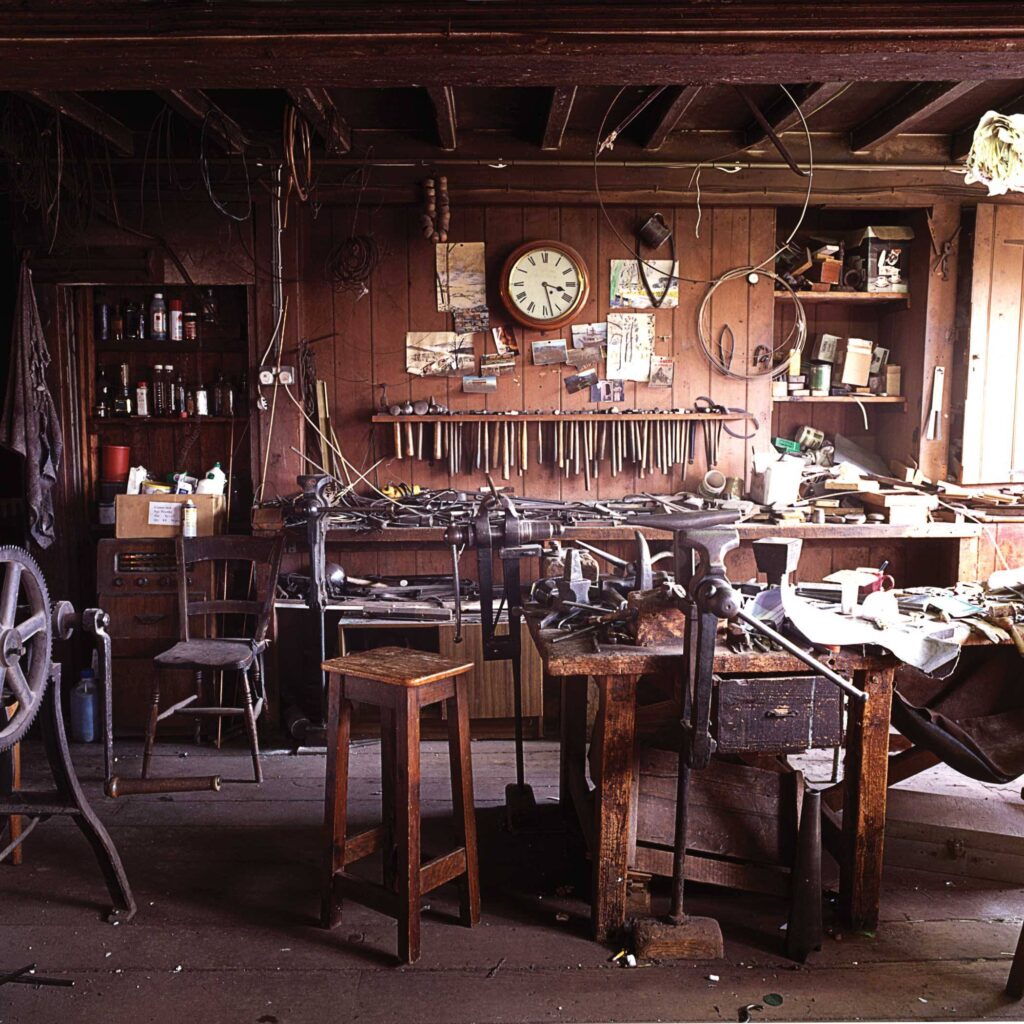
The rest of this edit keeps the same North Cotswolds ground — Dumbleton Hall, below Bredon Hill, has served the postal community since 1959, Hart Silversmiths in Chipping Campden still raises silver by hand in the Guild of Handicraft's old building, and Moreton Show puts the working countryside on parade each September.
The Lifestyle Edit Scorecard
- Setting
- 9.2 / 10
- Design & Comfort
- 9.0 / 10
- Food & Drink
- 8.8 / 10
- Atmosphere
- 8.7 / 10
Who it's for
- People who have had enough of hotels turning relaxation into another programme to complete.
- Couples looking for a quiet North Cotswolds base.
- Readers, walkers and long-lunch people.
- Anyone capable of regarding an empty afternoon as something to look forward to rather than something requiring a plan.
Questions
- Where is Hyll?
- Hyll is in Charingworth, near Chipping Campden in the North Cotswolds.
- What kind of hotel is Hyll?
- It is a boutique country-house hotel centred on a historic manor house, with accommodation split between the Manor House and courtyard buildings.
- How old is Hyll?
- The hotel describes the oldest part of its Manor House as dating from the 14th century, although the property has been altered and extended during its long history.
- How many rooms does Hyll have?
- Hyll currently has 26 bedrooms, spread between the Manor House and courtyard accommodation.
- Does Hyll have a spa?
- Not in the conventional country-house-hotel sense. Treatments can be arranged in-room, but there isn't a large dedicated spa complex.
- Does Hyll have a swimming pool?
- No. Older photographs of the property may show a swimming pool, but Hyll says the former pool area is being transformed into a new space called Bower.
- Can you eat at Hyll without staying?
- Yes. Hyll welcomes non-residents for food and drink, with the terrace particularly appealing in good weather.
- What is there to do at Hyll?
- As much or as little as you want. Hyll itself divides its suggestions into "Do Something" and "Do Nothing", which is a fairly accurate description of the proposition.