Edit No.29
Andalucía, From the Field Up
Casa La Siesta · El Disparate · Salina Santa Teresa · Palacio Villapanés · Torre Tavira
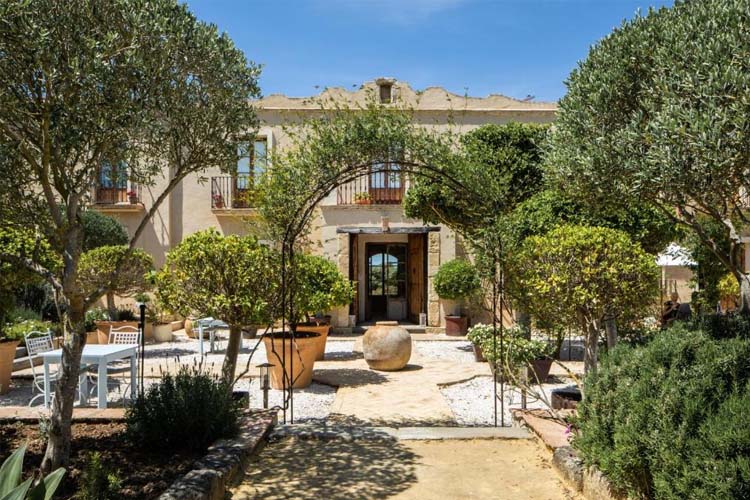
Southern Spain sells a particular version of itself well: white walls, old tiles, slow afternoons. The places worth writing about are the ones where those things were the starting point rather than the marketing.
This edit opens in the countryside outside Vejer de la Frontera, where Casa La Siesta began with a field, a small outbuilding and a former junior lawyer determined that a new building shouldn't feel new. Eighteen months of salvaged beams, doors and tiles later, it didn't — and the search for the right encaustic tiles had quietly become Bert & May.
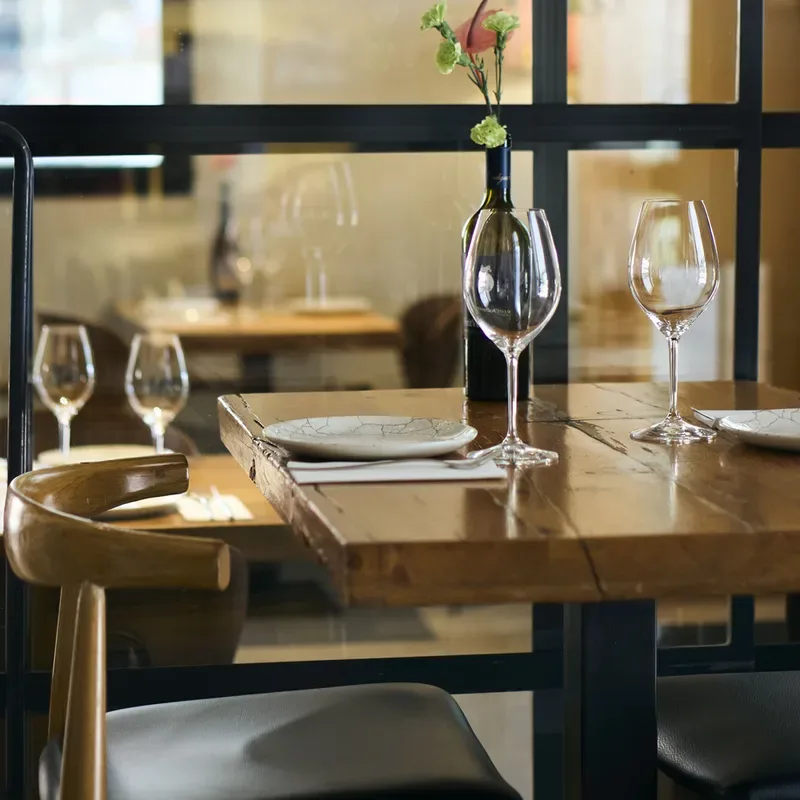
An hour and a half north, on Seville's Alameda de Hércules, El Disparate makes the opposite argument with the same ingredients. Nacho Dargallo cooks red tuna with coconut ajoblanco, squid with green curry, oxtail with parmentier — an Andalusian kitchen with the windows left open.
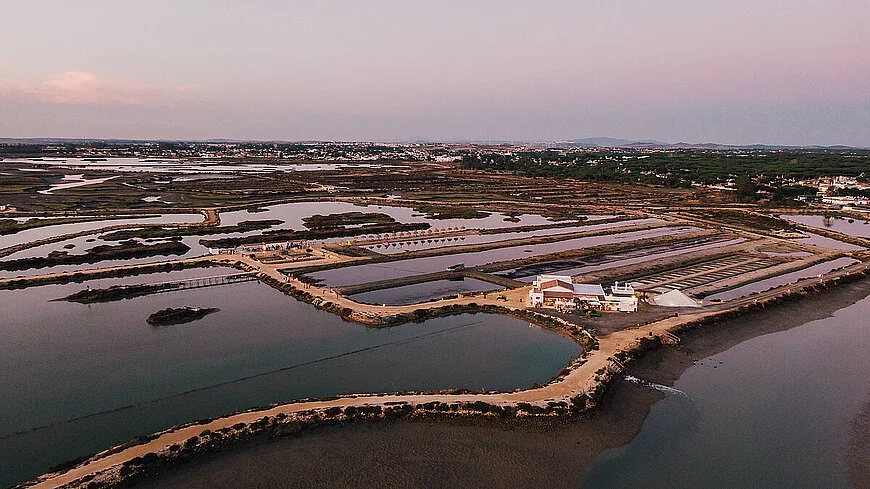
Back on the coast outside Chiclana, Salina Santa Teresa is the landscape itself put back to work. Abandoned for 25 years and used partly as a dumping ground, the salt pans now produce salt again, raise fish in the esteros and support the birdlife of the Bay of Cádiz — heritage surviving by becoming useful rather than by becoming a museum.
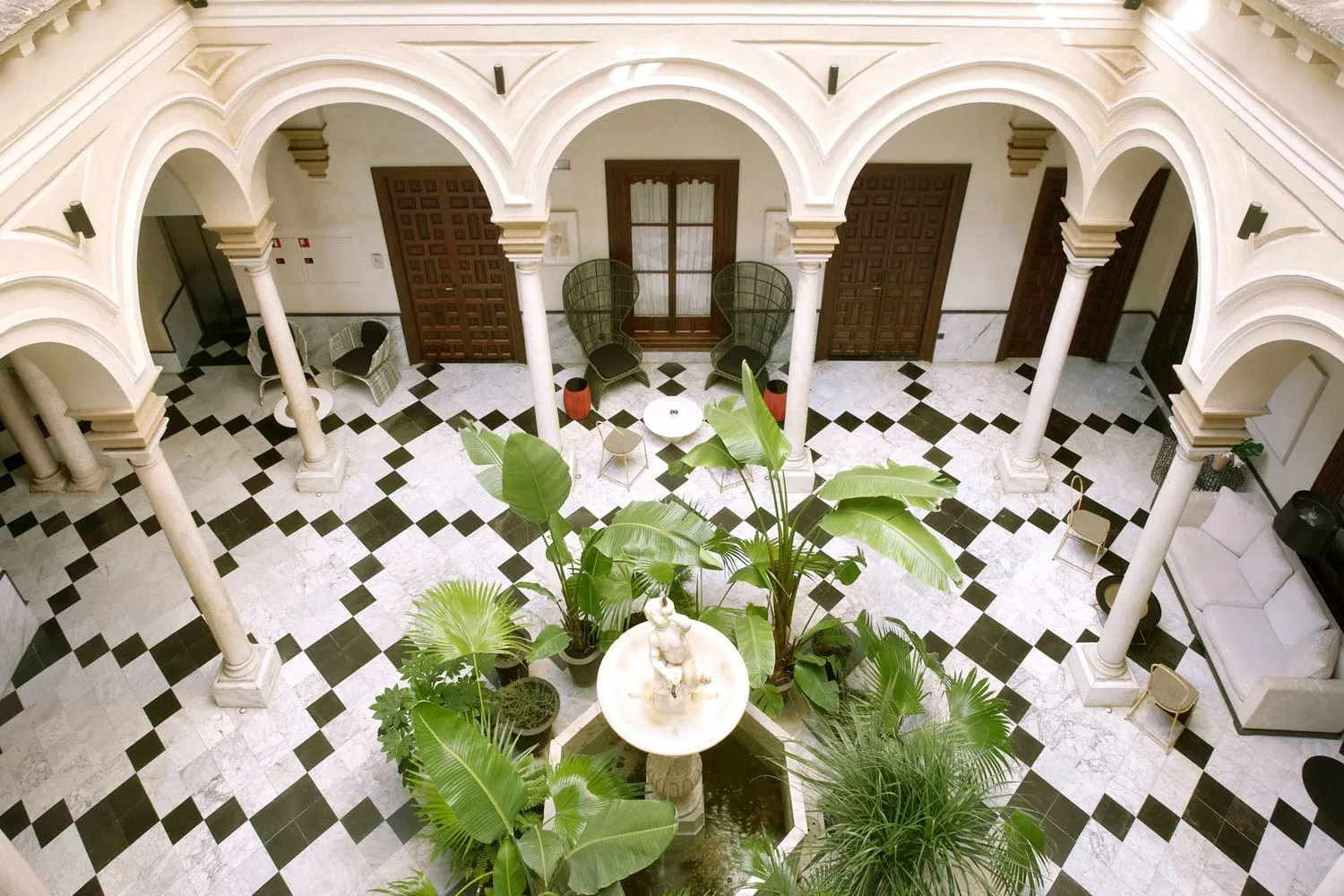
In Seville itself, Palacio Villapanés makes the case for continuity. An 18th-century casa-palacio built for Admiral López-Pintado around 1729, it is now a 50-room hotel that still enters from the street and turns inward towards its courtyards — a protected building being used rather than reconstructed.
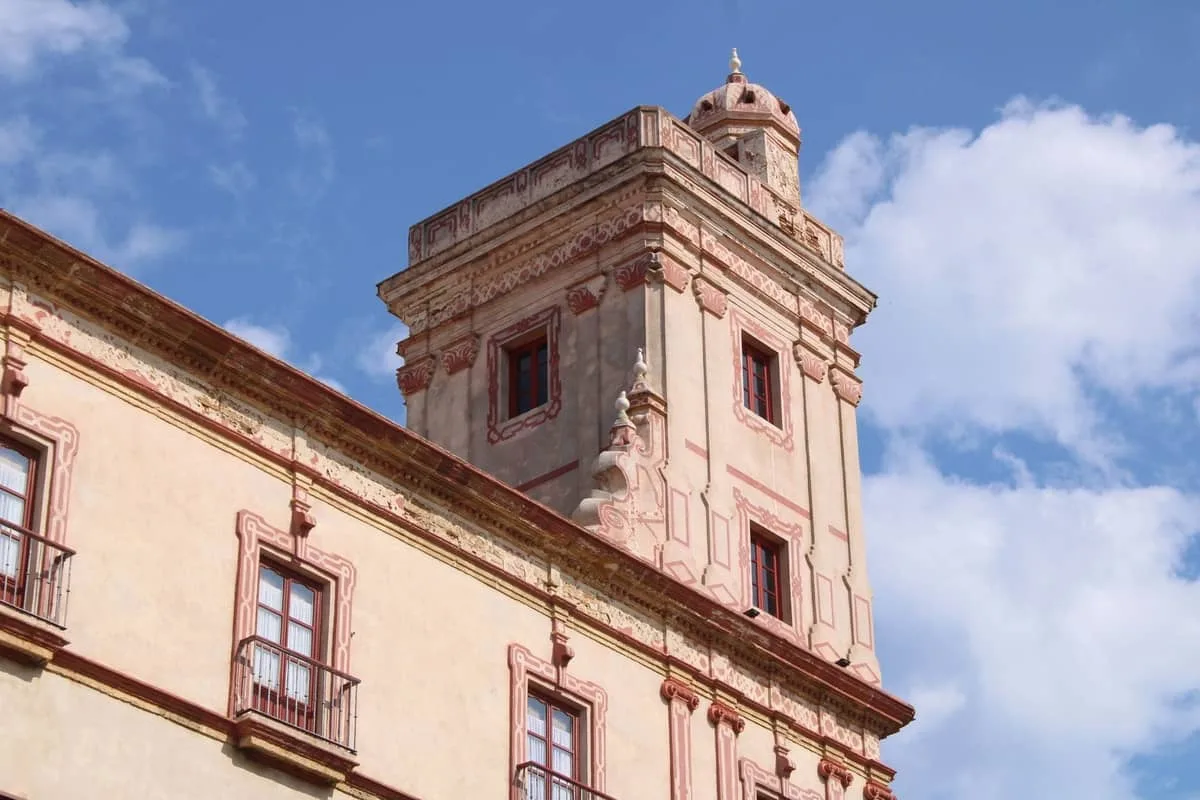
The edit closes in Cádiz, at Torre Tavira. Built in 1730 and made the port's official watchtower in 1778, it was commercial infrastructure before it was a view: somewhere a watchman stood to work out which ships were approaching. A camera obscura installed in 1994 still projects the living city onto a concave screen inside.
What runs through the edit is the same question: which parts of Andalucía are built from the landscape up, rather than dressed to look like it.
In this edit
Experience — Craft & History
Torre Tavira — The City That Watched the Ships Come In
An 18th-century watchtower, a live optical projection and the clearest explanation of why Cádiz looks the way it does.
Living — Architecture
Palacio Villapanés — Sleeping Inside Old Seville
Seville has plenty of hotels that borrow the language of the city's old houses. Palacio Villapanés has the advantage of actually being one.
Experience — Craft & History
Salina Santa Teresa — The Salt Marsh Brought Back to Life
For 25 years, Salina Santa Teresa produced no salt. Today the pans are working again, and the marsh around them with them.
Place — Food
El Disparate — Andalucía, With the Windows Open
Seville is very good at preserving its food traditions. El Disparate is more interested in seeing what happens when you let them travel.
Living
Casa La Siesta — The Hotel That Started With a Field
A junior lawyer left London to learn Spanish, bought a field outside Vejer and spent eighteen months building a hotel from salvaged materials. The search for the right tiles became Bert & May.
Questions
- What does Edit No.29 cover?
- Andalucía beyond the white-village cliché — the hotels, kitchens and places in the region that were built from the landscape up. It opens with Casa La Siesta, the six-room rural hotel outside Vejer de la Frontera.
- Where does the edit begin?
- In the Cádiz countryside, around ten minutes from Vejer de la Frontera, at Casa La Siesta — a hotel that started with a field and gave rise to the design business Bert & May.
- How far is Vejer from Seville and Cádiz?
- Vejer de la Frontera sits roughly an hour and a half from Seville by car and around fifty minutes from Cádiz, which makes the area an easy add-on to either city.
- How are places chosen for an edit?
- On whether they hold up in use rather than in marketing. Everything here was assessed for what it actually does — the building, the kitchen, the land, the people — and written up on that basis.