Product
Atelier KAI — Why Watch Collectors Wait Six Months for a Strap
Watch collecting is an expensive habit with very few affordable entry points. Atelier KAI is one of them — and the waiting list is currently around six months.
By James B. Stoney, Editor · 1 October 2026
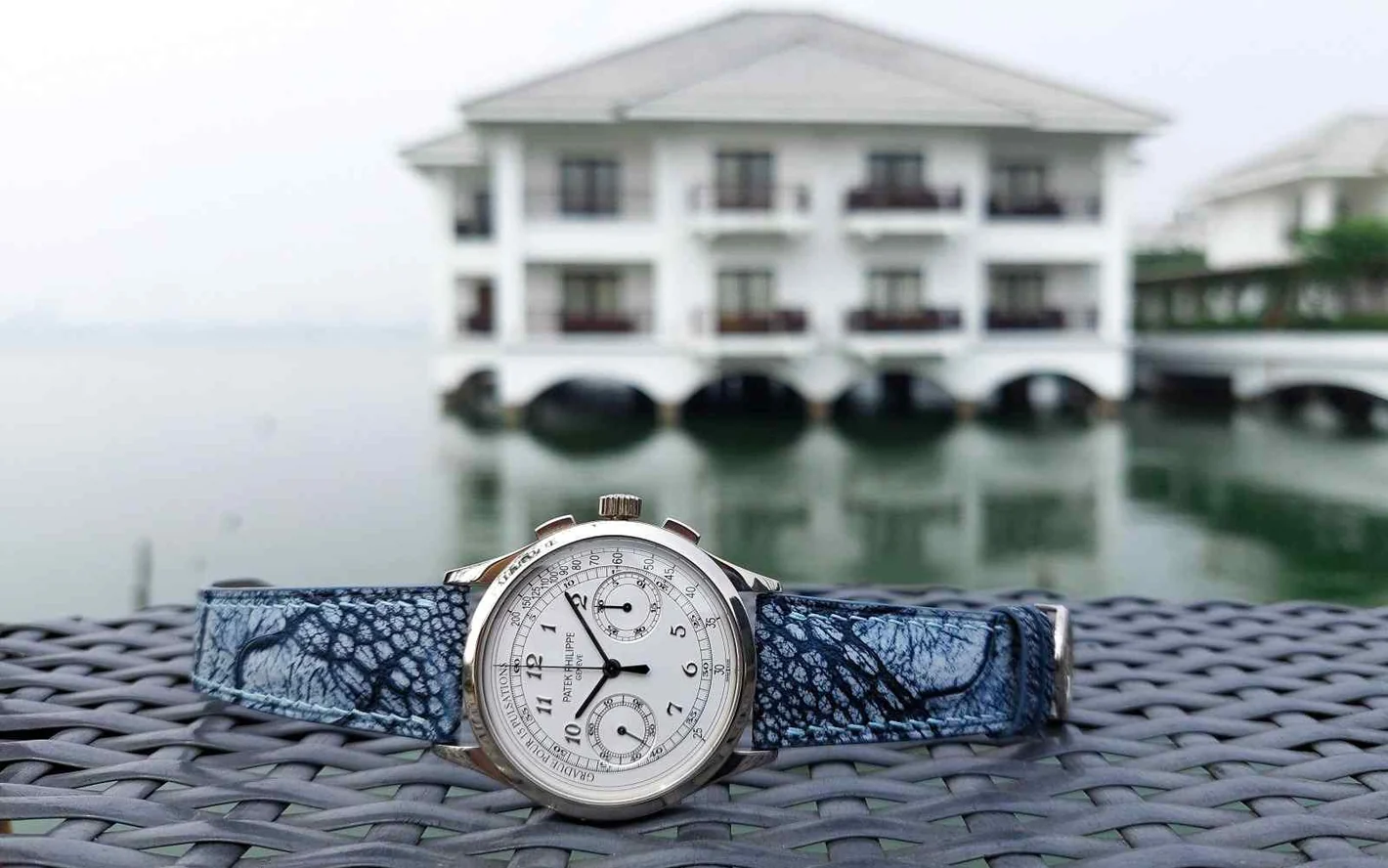
The S$400 Problem
The business began with a quote.
Philip Chuah had seen a Grand Seiko Kiku fitted with a custom white alligator strap and wanted something similar for his Omega Speedmaster Racing Panda. He worked out that Himalaya crocodile was the closest material to what he had in mind and went looking for someone to make it. According to a 2023 profile, the figure he was quoted was S$400.
He decided to make it himself instead.
That is a familiar enough origin story for a craft business, and it usually ends with the person discovering why the quote was S$400 in the first place. What makes Atelier KAI interesting is that it didn't. The workshop now has a waiting list measured in months, and the prices have stayed within reach of the sort of person who balked at a S$400 strap.
The name comes from his own: KAI is part of his Chinese name.
Choosing the Leather
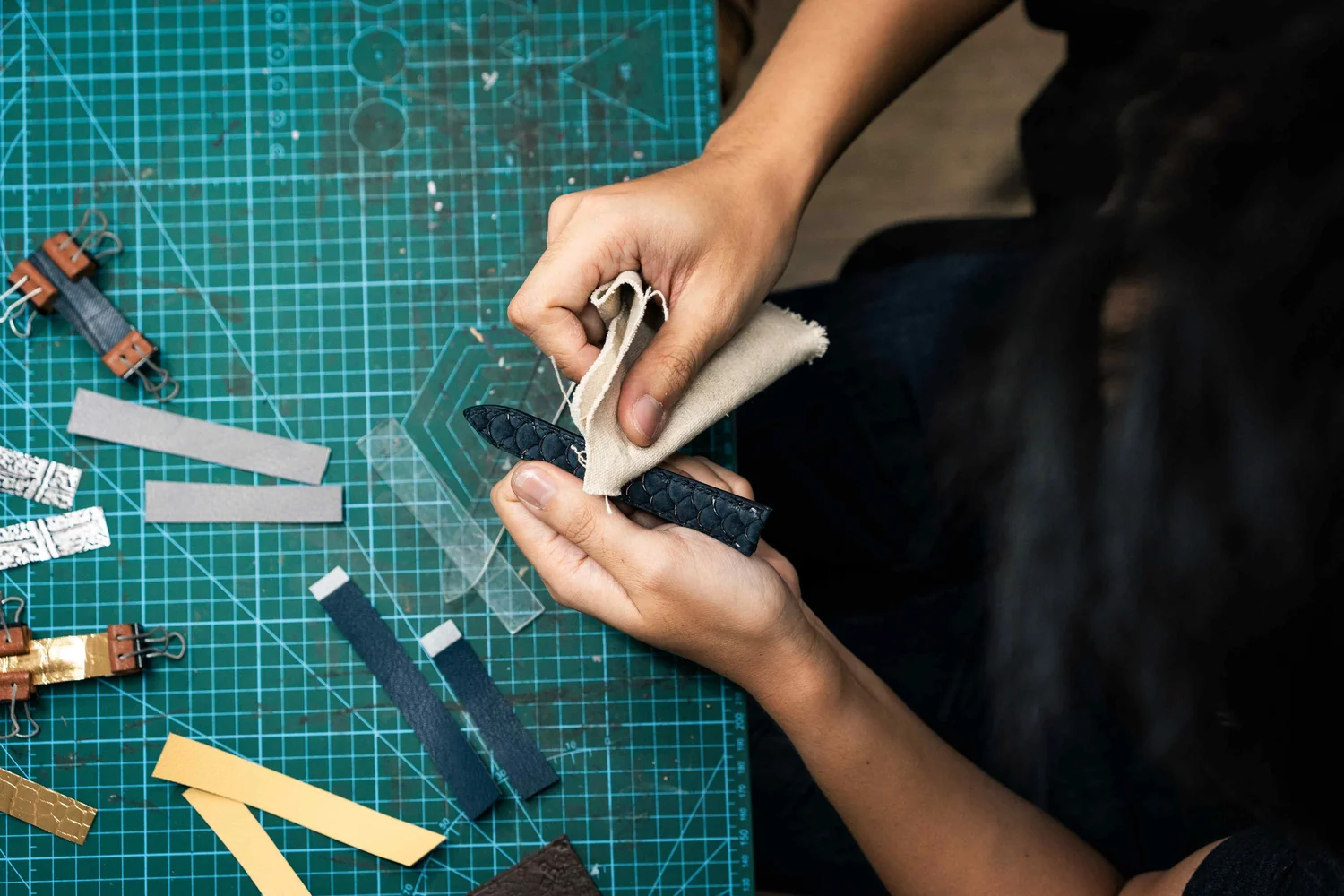
The part of the process that explains the waiting list isn't the stitching. It's the choosing.
For customers who visit the studio, part of the appeal is being able to go through the hides with Chuah rather than choosing from photographs online. Leather, colour, dimensions, lining, stitching and construction can then be worked around the particular watch and wearer.
That is a different proposition from picking a colour from a drop-down menu. A vintage watch wants something different from a modern sports chronograph, and leather that looks right under a shop light often doesn't on a wrist. Museum calf straps, for instance, run at roughly 2 to 2.2mm, with a thicker option starting at 4mm and tapering down — the sort of decision that only means anything with the watch in front of you.
The strap is the product. The attention paid to one watch is the thing that doesn't exist at this price anywhere else.
Five to Six Hours of Work, Six Months of Waiting
Chuah has previously estimated roughly five to six hours of work for a strap.
That number explains the queue more clearly than anything else. One person, working alone, cutting and making by hand. At the time of writing the general lead time is approximately five to six months. Nothing is held in stock, because nothing exists until it is ordered.
It also explains why the business hasn't scaled. There is no obvious way to make this faster without someone else doing the work, at which point the thing being sold changes. The waiting list isn't a marketing device. It is arithmetic.
What it buys is the thing bespoke normally means at ten times the price: direct access to the maker, materials chosen rather than offered, and an object that didn't exist before you asked for it.
Black Diamond, Tilapia and Alligator
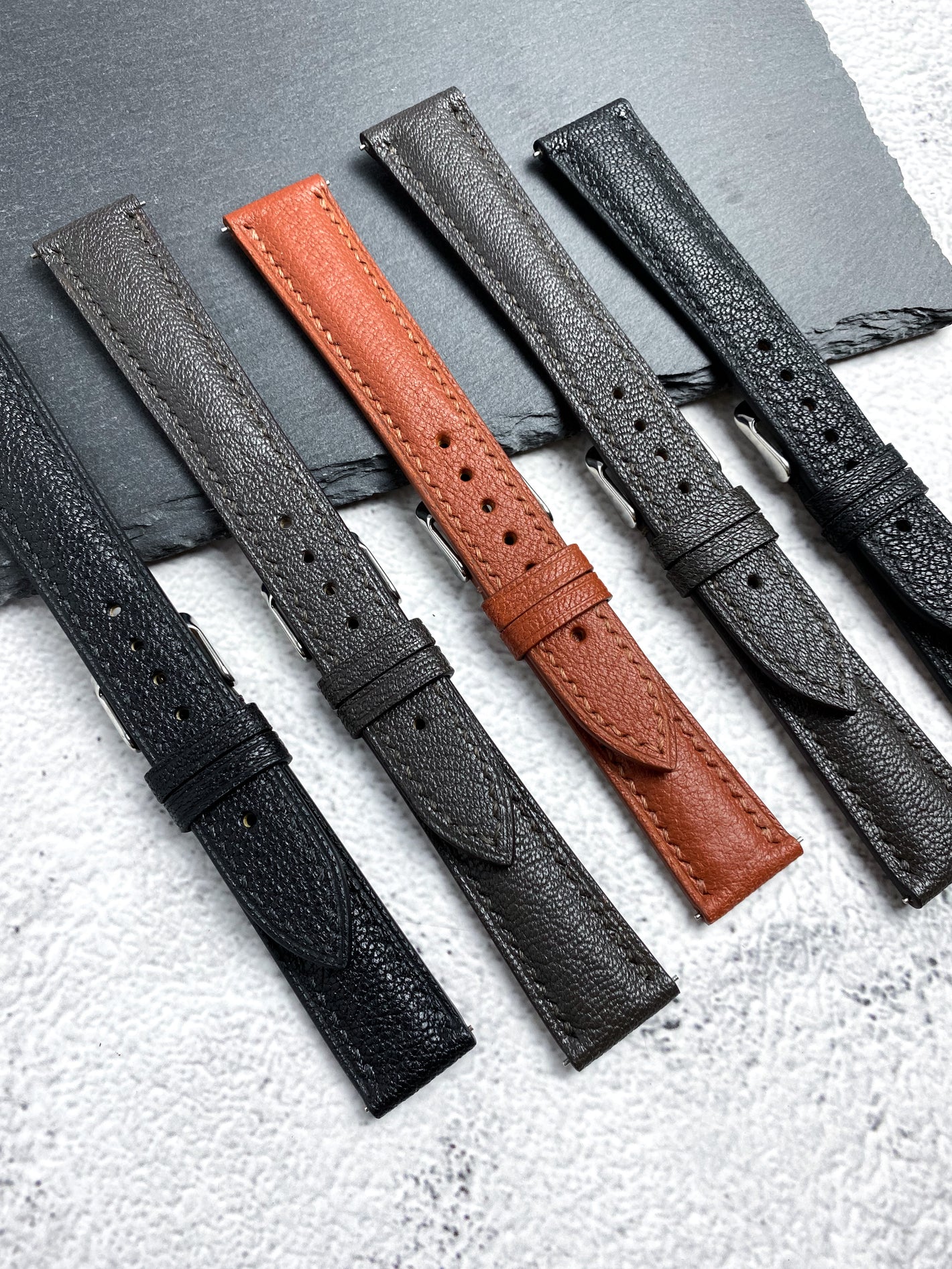
The material range is where Atelier KAI stops resembling a strap shop.
The Black Diamond is the clearest example. It is cow leather — Kobe Wagyu hide — finished with a layer of black urushi lacquer, the Japanese technique more usually associated with bowls, boxes and musical instruments. The result catches light differently at different angles. It is S$340 at the time of writing.
Tilapia sits at S$280. Fish leather is an unusual choice for a watch strap, with a scale structure quite unlike calf or alligator.
Buttero, the Tuscan vegetable-tanned calfskin, is S$210. It is the one most likely to end up looking like yours rather than his: it takes patina readily, so the strap you collect in six months is not the strap you will be wearing in three years.
Beyond those: alligator in standard and special-effect finishes, the latter at S$360; ostrich body and ostrich leg; kudu from the African antelope; python; salmon; museum calf, marbled and more usually seen on bespoke shoes; goat suede. Plus adaptor straps cut for specific cases, including Santos de Cartier using Quick Switch inserts, and Omega-style fittings.
The range matters because it is the opposite of how strap businesses usually work. Most offer three or four leathers in a dozen colours. This is a materials library, assembled by someone who finds the materials interesting.
From Law to Leather
Philip Chuah read law at Leeds. He chose not to practise.
That decision sits underneath everything else here, and it is worth stating plainly rather than romanticising. He has a professional qualification that leads somewhere well-paid and well-understood, and he is instead cutting leather in a studio in Paya Lebar, with a months-long backlog and a one-man atelier.
There is an obvious parallel with Fumu elsewhere in this Edit: two Singaporean graduates who stepped away from conventional professional careers towards manual craft. The routes, however, could hardly be more different. Tor Cheng Yao spent years training in Japanese workshops. Chuah began by teaching himself because he thought one watch strap cost too much.
Why It Earns Its Place
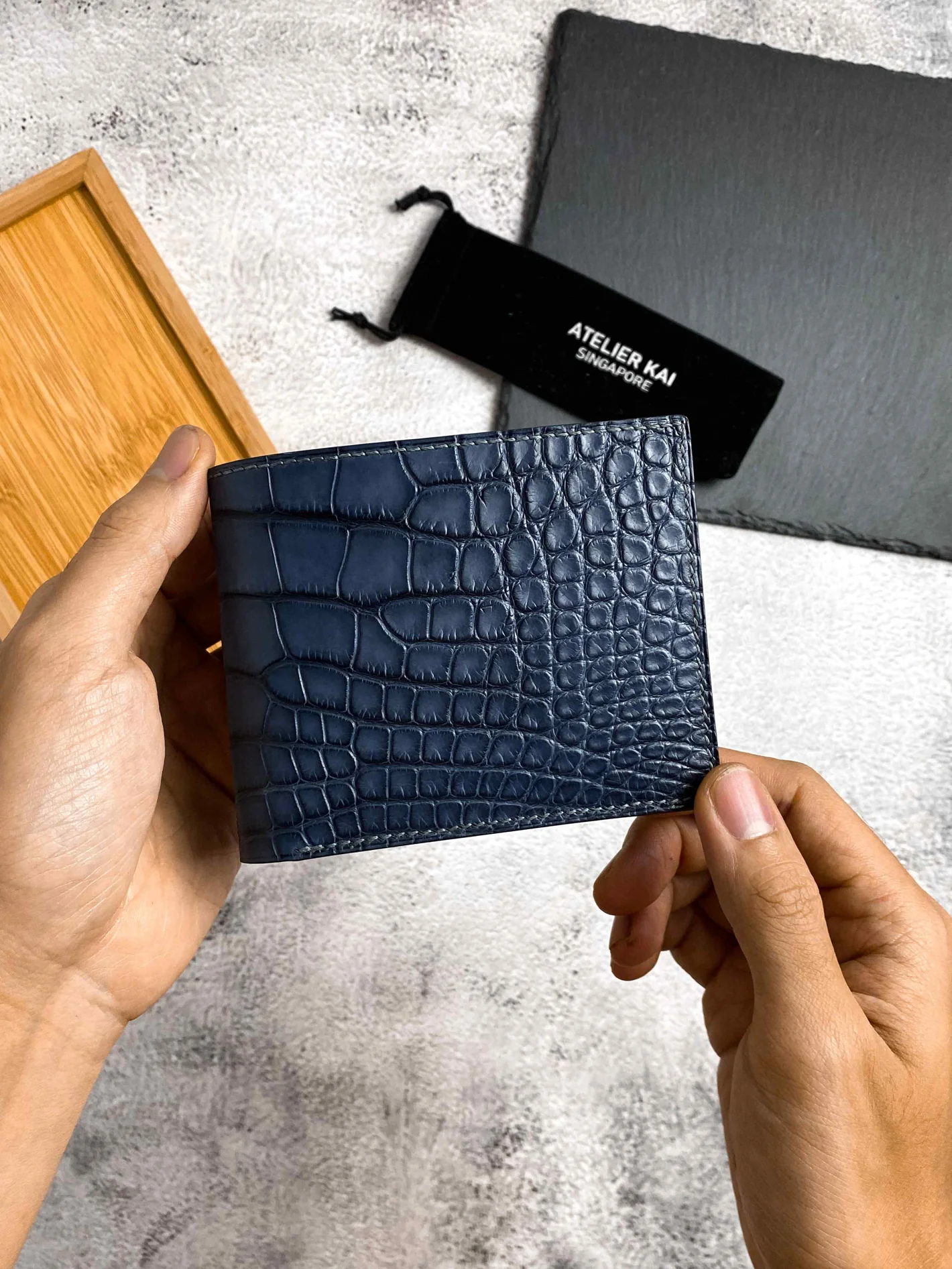
Because it sells an inexpensive form of bespoke inside a very expensive hobby.
Genuine bespoke becomes expensive very quickly in watch collecting. A strap is the unusual exception. At S$210 to S$360 it is one component a person with a Seiko and a serious interest can have made specifically for their watch, from a material they chose, by the person who made it.
And they get the things that normally come with the expensive version: the maker across the table, the hides between you, nothing made until it's ordered.
That is why the six-month wait is the headline rather than a complaint. The queue is evidence. A one-man workshop without a conventional shopfront or even a publicly listed studio address has accumulated a waiting list of roughly half a year — because it has found the one place in watch collecting where bespoke is affordable, and the only way to keep it affordable is to stay one person.
The Lifestyle Edit Scorecard
- Craft
- 9.6 / 10
- Materials
- 9.7 / 10
- Value
- 9.4 / 10
- Character
- 9.0 / 10
Who it's for
- Anyone who owns a watch they care about and has never considered that the strap could be made for it rather than bought in a size. It suits people who enjoy the choosing as much as the owning — going through the hides is a large part of what you are paying for.
- Not for anyone in a hurry. The current wait is around five to six months, and custom orders aren't returnable.
Questions
- Who is behind Atelier KAI?
- Philip Chuah, who works alone in Singapore. KAI comes from part of his Chinese name. He read law at Leeds and chose not to practise.
- How did Atelier KAI start?
- He wanted a custom strap for his Omega Speedmaster Racing Panda, having seen a Grand Seiko Kiku on white alligator. He identified Himalaya crocodile as the closest material and, after a quote reported at S$400, decided to make one himself.
- How much do Atelier KAI straps cost?
- At the time of writing, Buttero and museum calf are S$210, tilapia S$280, Black Diamond S$340 and special-effect alligator S$360. Prices have moved upward recently, so check before ordering.
- How long is the wait?
- Approximately five to six months at the time of writing. Chuah has previously estimated roughly five to six hours of work per strap.
- What is the Black Diamond strap?
- Cow leather from Kobe Wagyu hide, finished with black urushi lacquer so that it catches the light at different angles.
- What materials are available?
- Alligator in standard and special-effect finishes, ostrich body and leg, kudu, python, tilapia, salmon, museum calf, Buttero, suede, the Black Diamond, and non-leather options. Adaptor straps are made for specific cases including Santos de Cartier and Omega fittings.
- Can you visit the workshop?
- Yes, by appointment at his studio in the Paya Lebar and Eunos area. The exact address isn't published.
- Does Atelier KAI make anything other than straps?
- Yes — wallets, cardholders, bracelets, keychains and car key fobs.
- Can you return a strap?
- No. Each is made to individual specification, so custom orders aren't returnable.