Experience
The Venice Vaporetto, The Best Boat Ride in Venice Costs Nine Euros Fifty
Everyone arrives in Venice thinking about gondolas. Almost nobody arrives thinking about Line 6, which runs the outside of the island down the Giudecca Canal, past the Palladian churches, for the price of a sandwich.
By James B. Stoney, Editor · 25 November 2026
The Boat Everybody Walks Past
Venice sells two boat experiences to visitors and both of them are expensive. The gondola is regulated by the city and the tariff is public: around eighty to ninety euros for thirty minutes during the day, and a hundred or more after seven in the evening. That is per boat rather than per person, which makes it reasonable value split five ways and a considerable sum for two. The private water taxi is the other option, a beautiful varnished thing that will take you door to door and charge you accordingly.
Both have their place. But there is a third boat, it goes to more interesting places than either, and most visitors never work out that it exists. The vaporetto is the city's public transport, run by ACTV, and an ordinary part of everyday life for the people who live here. A single ticket is €9.50 and lasts seventy-five minutes in one direction, transfers included, which means one fare can carry you a long way if you plan it properly.
Line 6, Not Line 1
The vaporetto most tourists find is Line 1, which works its way down the Grand Canal stopping at everything. It is a fine ride and it is also standing room only for most of the day, packed with people holding phones above their heads.
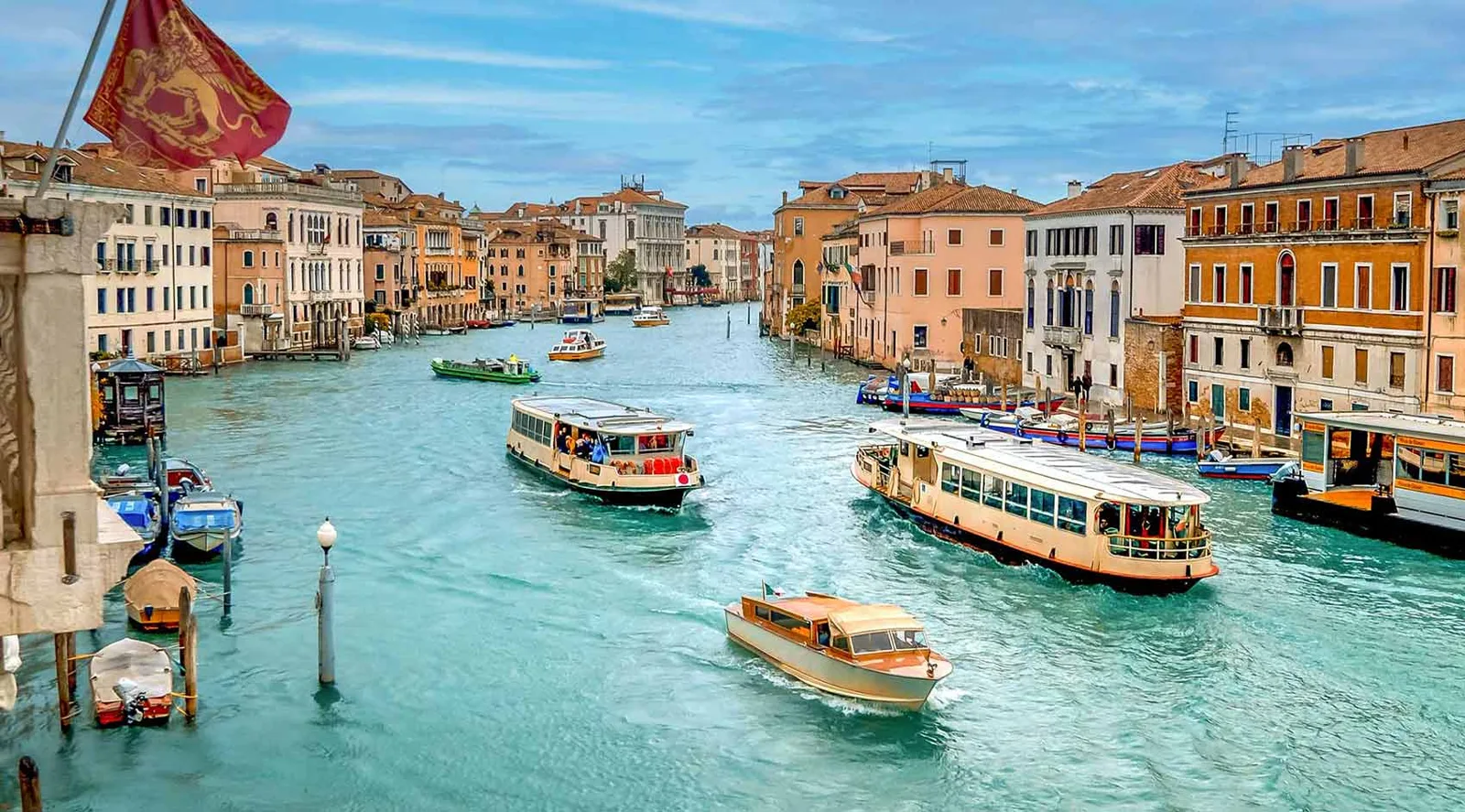
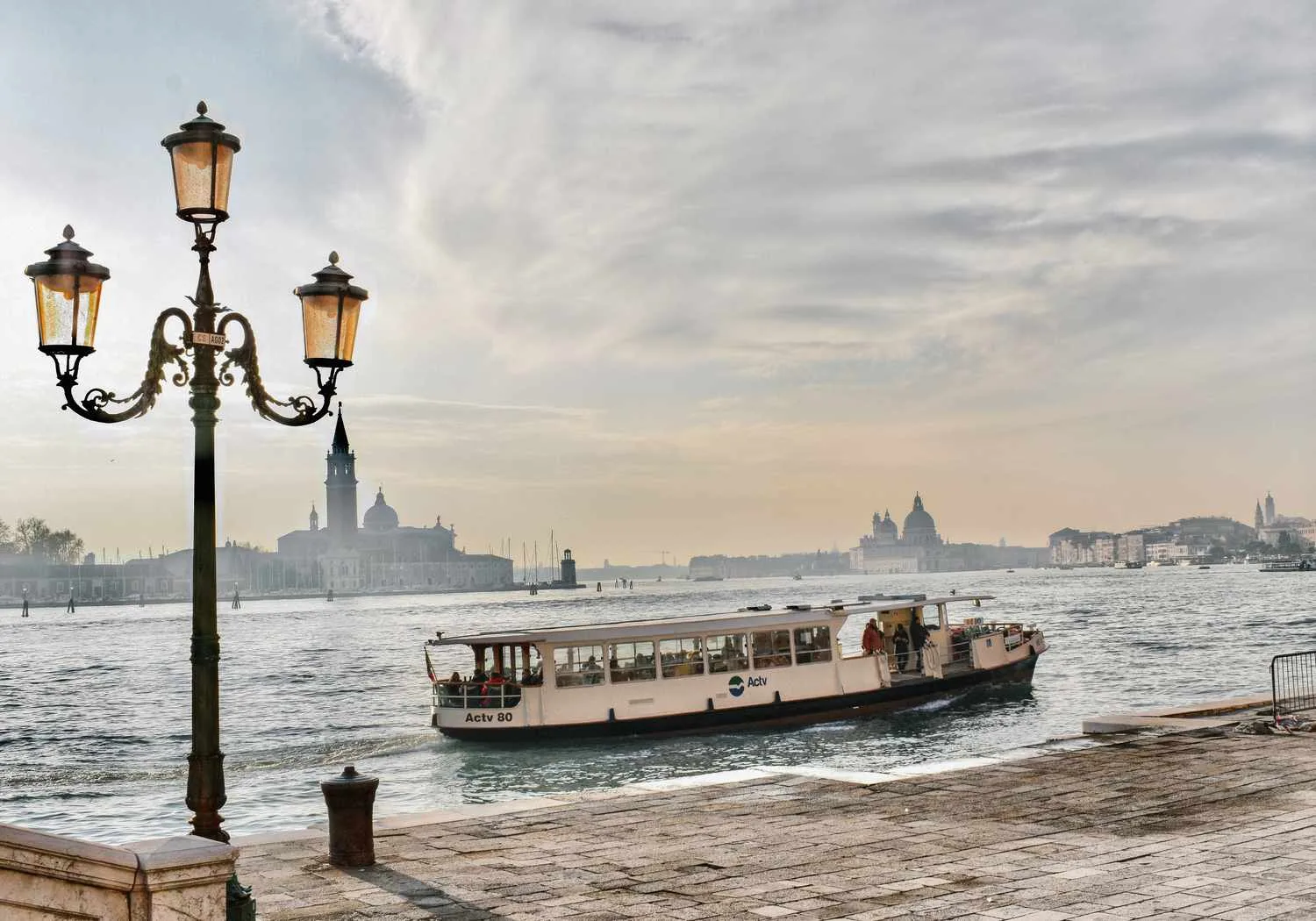
Line 6 is the alternative and it is better. It runs the outside of the island rather than through the middle of it, from Piazzale Roma to the Lido and back, calling at Santa Marta, San Basilio, Zattere, Spirito Santo, Giardini Biennale and Sant'Elena. Few stops, so it moves. We took it from Giardini Biennale, at the eastern end by the Biennale gardens, back west to San Basilio, on a Monday when the Biennale itself was closed. That is worth knowing. The gardens draw most of the people who come to this end of Venice, and with them shut the landing stage was quiet and the boat close to empty, which is not the picture most visitors have of Venetian public transport.
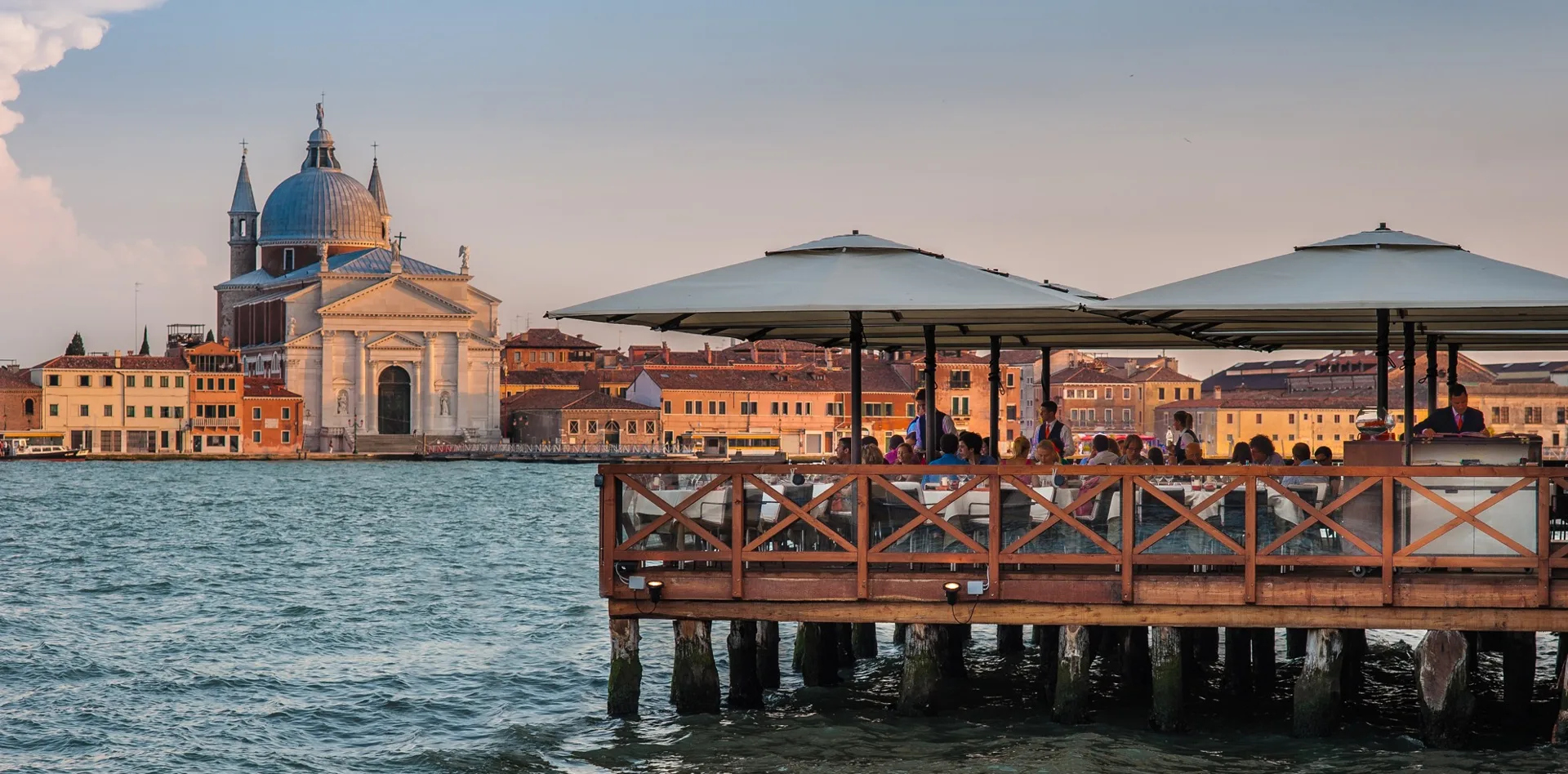
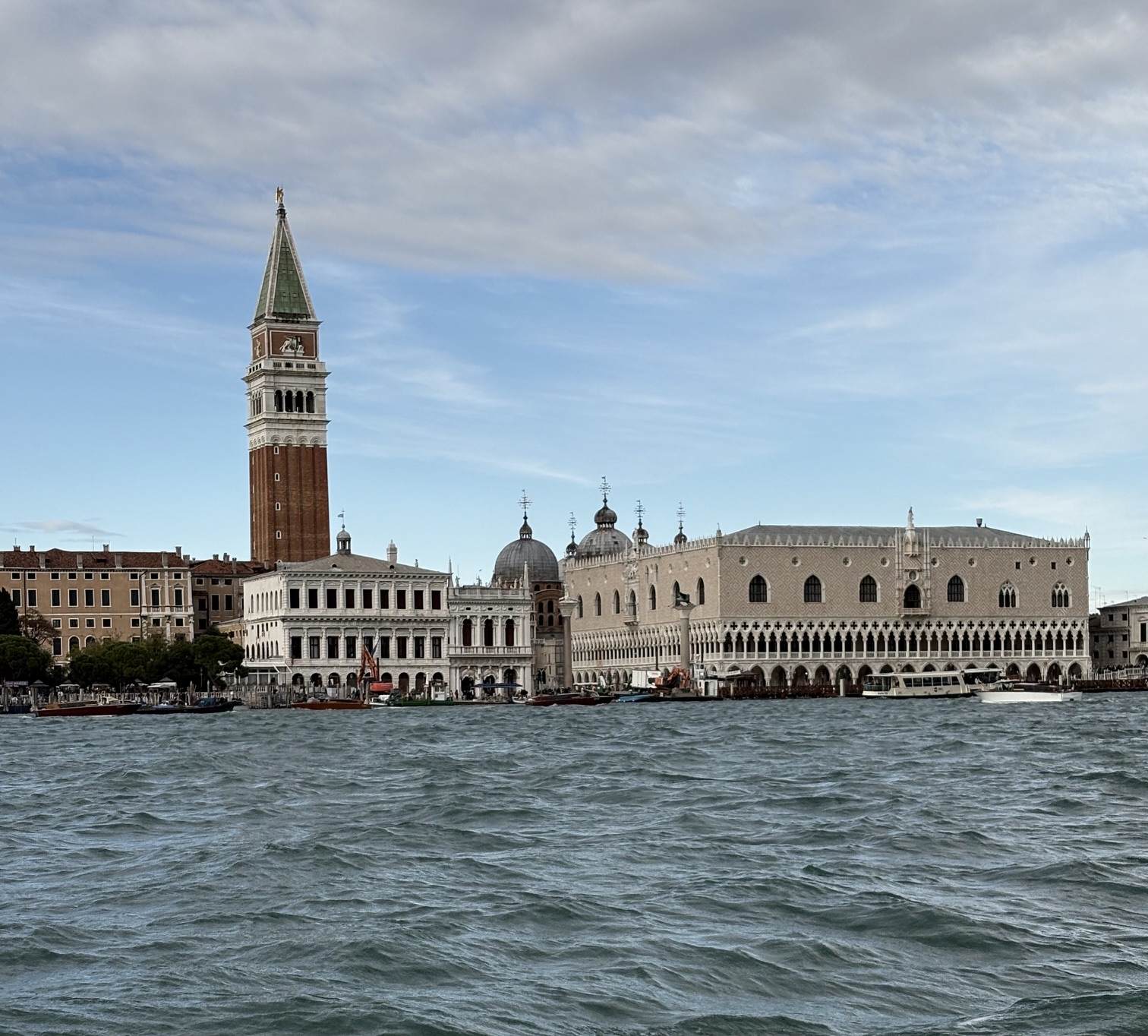
What you get is the whole southern waterfront of Venice from the water, which is the angle the city was built to be seen from and the one you almost never get on foot. The boat runs down the Giudecca Canal with the island on one side and Giudecca on the other, past Palladio's Redentore and, behind you, San Giorgio Maggiore sitting on its own island like a stage set. Then the long run of the Zattere, where Venice turns its face to the sun and everyone sits outside. Then San Basilio and the working end of Dorsoduro, where the cruise terminal is and the postcards stop.
It is a fifteen-minute journey. It costs less than a glass of wine on a terrace in San Marco. And it shows you more of Venice than thirty minutes of being poled around the back canals ever could.
Paying For It Has Become Very Easy
This is the part that has changed and that most guidance has not caught up with. ACTV now takes contactless payment directly at every validator on the network. You tap a credit or debit card at the yellow reader, or the same card on a phone or a watch, and walk on. There is no ticket to buy, no machine to queue at, no app to download, and no tapping out at the other end. The system charges the ordinary fare and works out the best price across the following twenty-four hours.
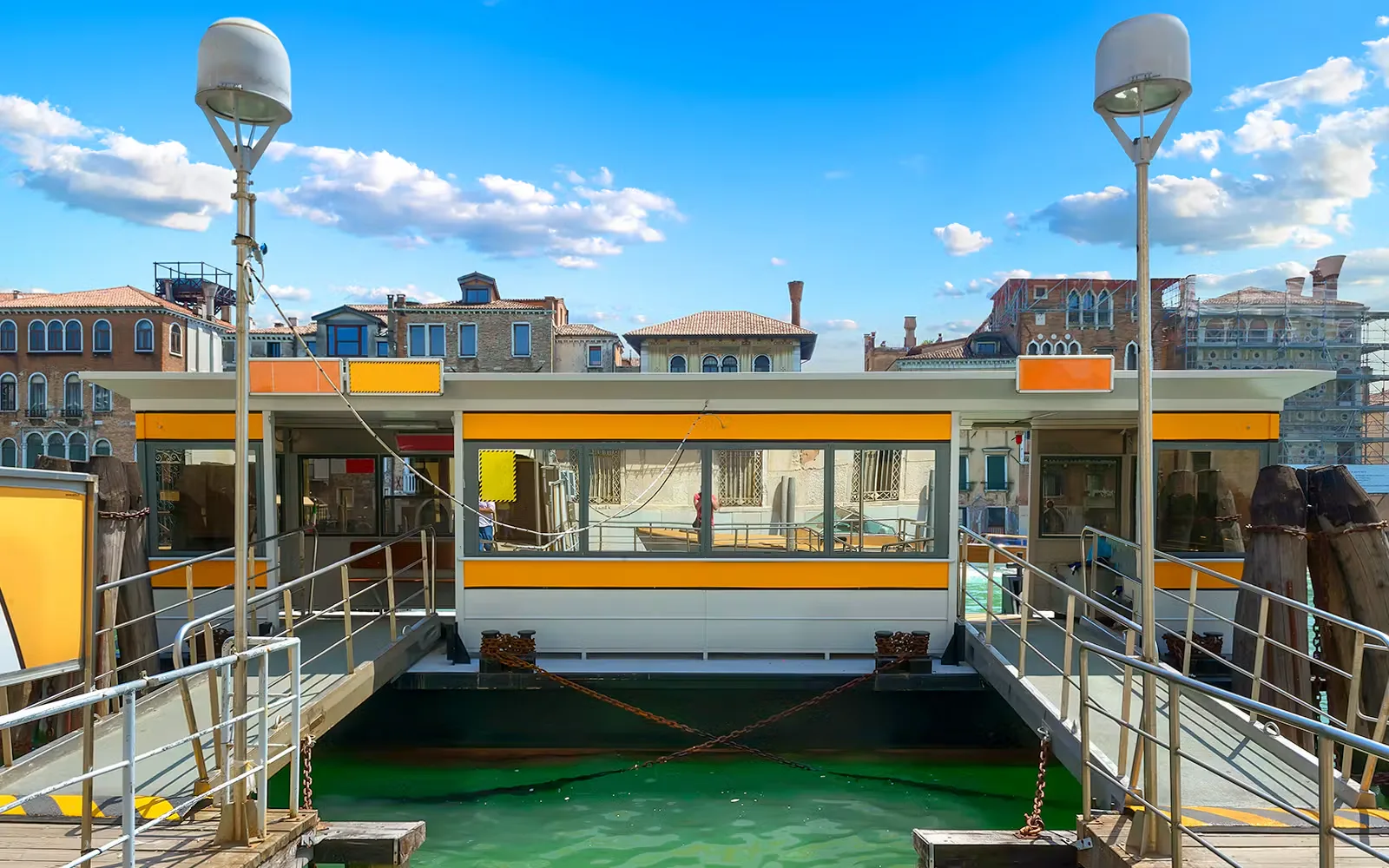
For a visitor this removes almost all of the friction that used to make the vaporetto feel like a system you needed to understand before you could use it. You walk up to a landing stage, tap your phone, and get on a boat. It is genuinely easier than the equivalent in London.
Two things to know. Cash is no longer sold on board, so you cannot pay the crew in coins; on-board sales are by card only and must be requested as you board. And you must validate before boarding, every time, because an unvalidated journey carries a fine.
If you are going to make three or more journeys in a day, the passes work out cheaper: €25 for twenty-four hours, €35 for forty-eight, €45 for seventy-two and €65 for a week. Three single fares already cost more than a day pass, so the maths tips quickly. The same ticket also covers the mainland buses and the Mestre tram, which matters if you are going across the bridge.
What You Give Up
Honesty about what this is not. A vaporetto is a bus, and ours was quiet because we caught it on a day when the Biennale was closed. At peak times in season it will be busy. It does not go down the small canals, there is no gondolier, and nobody will take a photograph of you. If what you want from Venice is thirty minutes of romance in a black boat on a narrow waterway, the vaporetto will not provide it and you should pay the tariff and enjoy it.
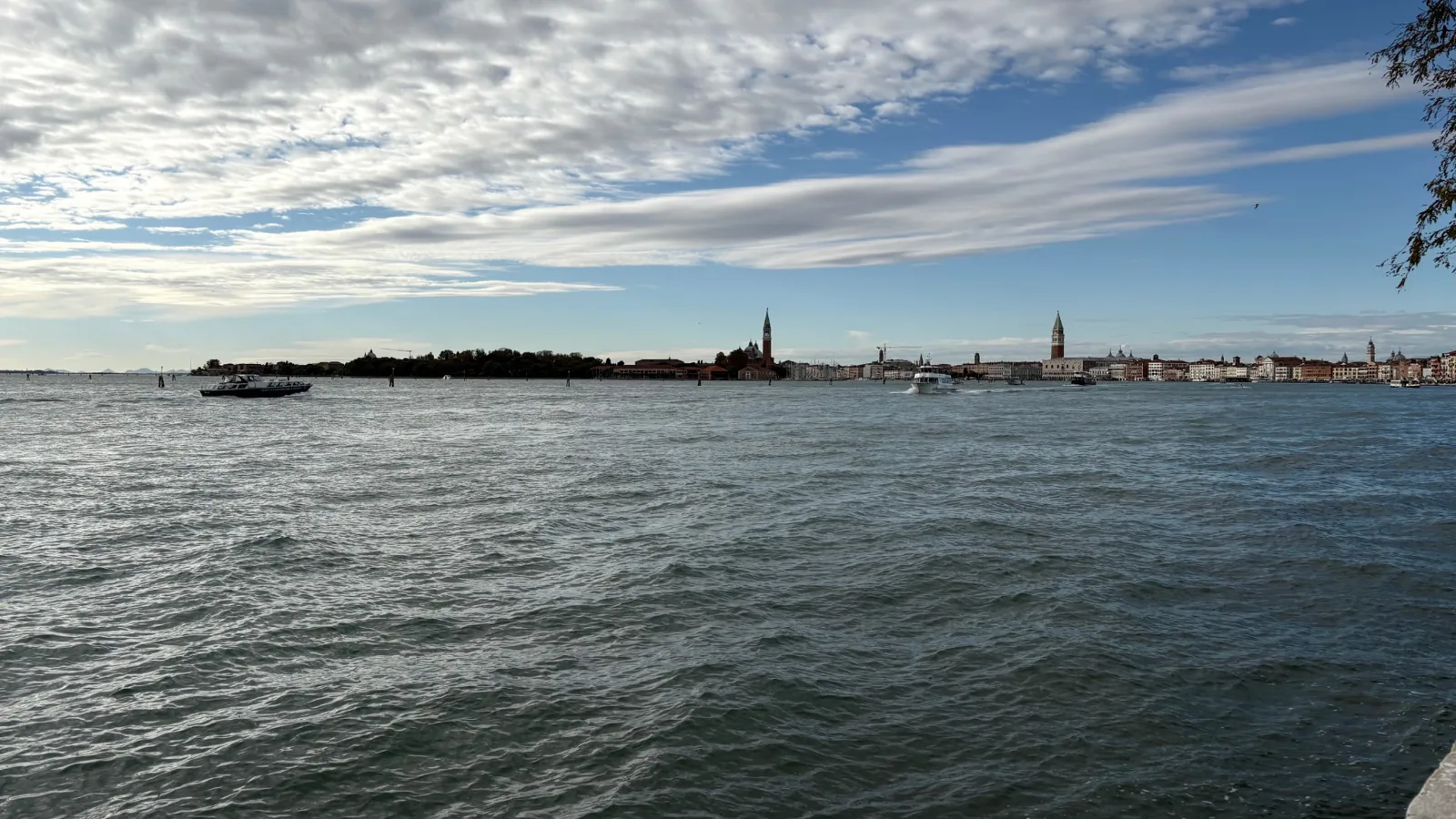
What the vaporetto gives you instead is the lagoon rather than the canals, distance rather than intimacy, and the city seen whole. Standing at the back of a Line 6 in the open air, watching the Zattere slide past with the Redentore on your shoulder, is one of the great cheap pleasures in European travel.
Why It Earns Its Place
The real argument for Line 6 is the price set against what you get. Fifteen minutes of the finest water-level view in Venice, for less than a glass of wine on a terrace in San Marco, on a boat that leaves every twenty minutes whether you turn up or not. Nothing else on the water here comes close on that measure.
There is a version of a Venice trip where you never work this out, pay a great deal for one half-hour on the water, and spend the rest of the week walking. There is a better version where the boat is simply how you get around, you tap your phone at the landing stage the way you would at a ticket barrier anywhere else, and the best view in the city turns out to be included in the fare.
The Lifestyle Edit Scorecard
- Experience
- 8.9 / 10
- Views
- 9.2 / 10
- Ease & Access
- 9.0 / 10
- Value
- 9.3 / 10
Who it's for
- Anybody visiting Venice, which is rather the point. It suits second-time visitors who have done the gondola, travellers on a budget, and anyone who would rather see the city from the water than queue to photograph it from a bridge.
- Less suited to those who specifically want a private boat, a narrow canal or a gondolier. Those are different experiences and this is not a substitute for them.
Questions
- What is a vaporetto?
- Venice's public water bus, run by ACTV. It is the public transport of the historic city and an ordinary part of daily life for residents.
- How much is a ticket?
- €9.50 for a single, valid seventy-five minutes in one direction with transfers included. Passes run from €25 for twenty-four hours up to €65 for a week.
- Can I pay with a contactless card or my phone?
- Yes. Every validator on the network accepts contactless payment directly, including a card held on a phone or watch. You tap at the yellow reader before boarding and there is no need to tap out.
- Can I pay cash on board?
- No. On-board cash sales ended in 2024. Tickets bought from the crew are card only and must be requested as you board.
- Which line should I take for the best view?
- Line 6, which runs the outside of the island down the Giudecca Canal rather than through the middle. Line 1 does the Grand Canal and is far busier.
- Where does Line 6 go?
- Piazzale Roma, Santa Marta, San Basilio, Zattere, Spirito Santo, Giardini Biennale, Sant'Elena and the Lido, and back the other way.
- How much is a gondola by comparison?
- The tariff is set by the city: roughly eighty to ninety euros for thirty minutes during the day and a hundred or more in the evening, per boat rather than per person, for up to five passengers.
- Is there a cheaper way to cross the Grand Canal?
- Yes. The traghetto, a standing gondola ferry used by locals to cross at a few points, costs a couple of euros.
- Do I need to validate every journey?
- Yes, every time, before boarding. Travelling unvalidated carries a fine.