Experience
Mestre, Where Venice Actually Lives
Twenty minutes on the tram from Piazzale Roma takes you across the bridge to a town of pedestrian squares, ordinary prices and almost no visitors. We went for a Sunday and found the half of Venice nobody photographs.
By James B. Stoney, Editor · 25 November 2026
The Other Half of Venice
Visitors to Venice tend to notice, somewhere around the third day, that they have met rather few Venetians. The island empties out in the evening in a way a city of its fame should not, and a good proportion of the people working in it are going somewhere else at the end of a shift.
A lot of them are going across the bridge. The Venetian mainland, of which Mestre is the principal town, holds somewhere around 180,000 people. The historic centre is down below 50,000 and still falling. Mestre is not a dormitory that grew up to service the tourist city, either. It was its own comune until 1926, when it was absorbed into Venice, and before that it was a mainland town that Venice conquered in 1337 and used as its land gateway.
What that means in practice is a place with its own centre, its own history and none of the apparatus of being looked at.
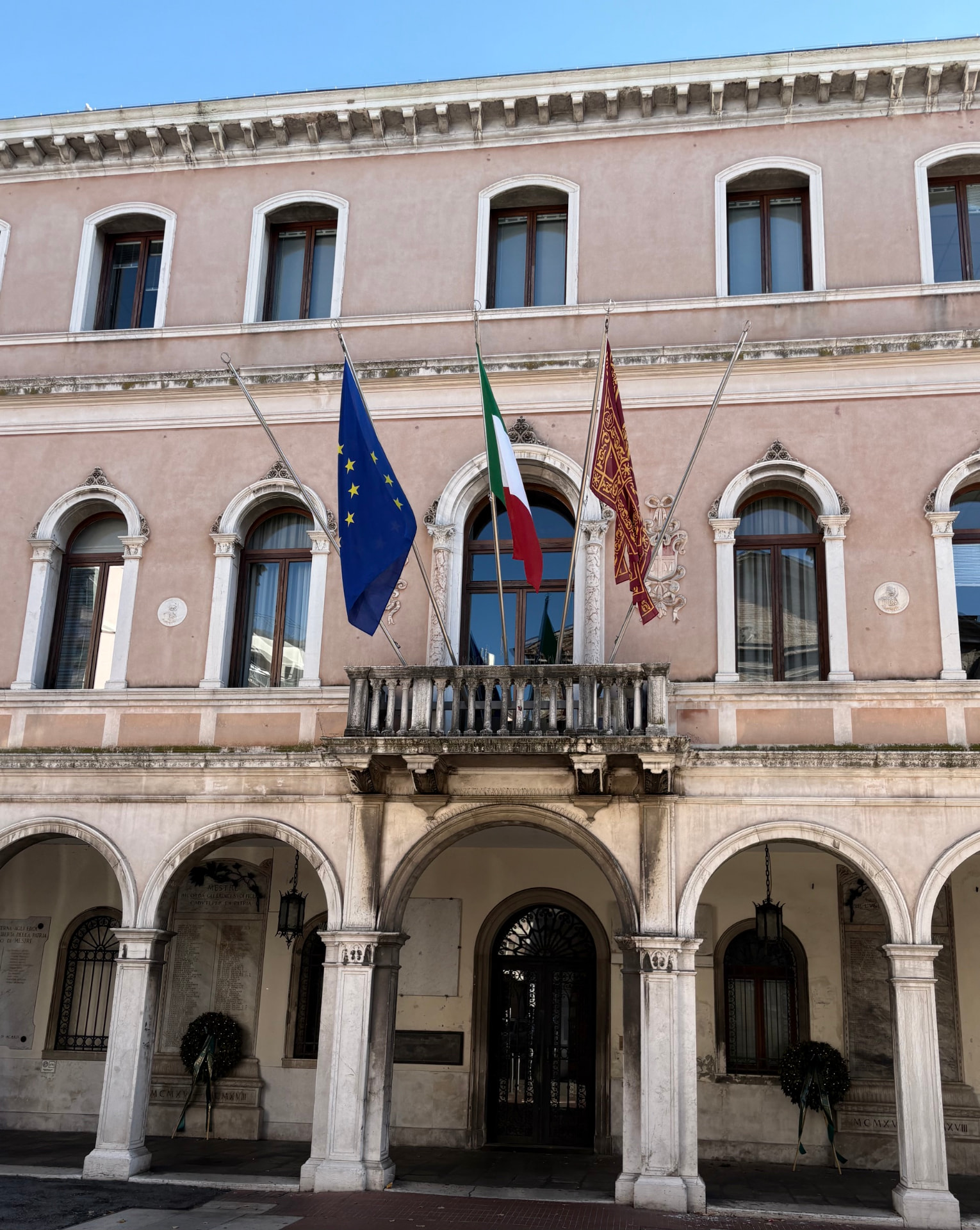
Getting There Is the Easy Part
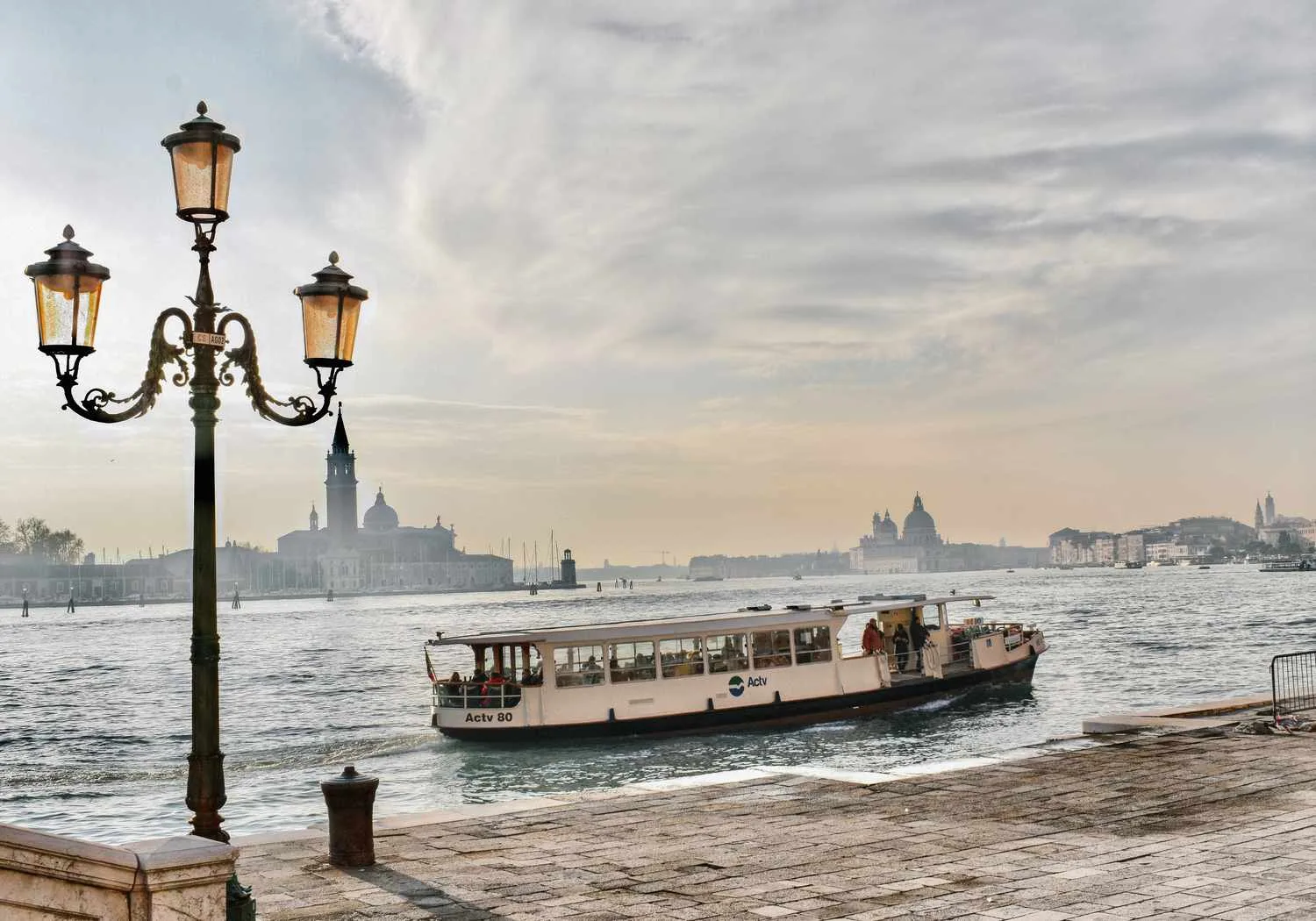
We took the tram, which is the pleasant way to do it. It runs from Piazzale Roma over the Ponte della Libertà and into the centre of Mestre in about twenty minutes, and the same ACTV ticket that works on the vaporetto covers it, so there is nothing new to buy and nothing to work out. You tap at the stop, sit down, and watch the lagoon go by.
The train is quicker, around ten minutes from Santa Lucia to Venezia Mestre, though it leaves you at the station rather than in the centre. Buses run constantly. None of it is complicated, which is the point worth making. A great many people stay in Mestre to save money and treat the crossing as a daily chore to be endured. Done the other way round, as a deliberate trip out from the island, it is one of the cheapest and most interesting things you can do in Venice.
Aperitivo on Piazza Ferretto
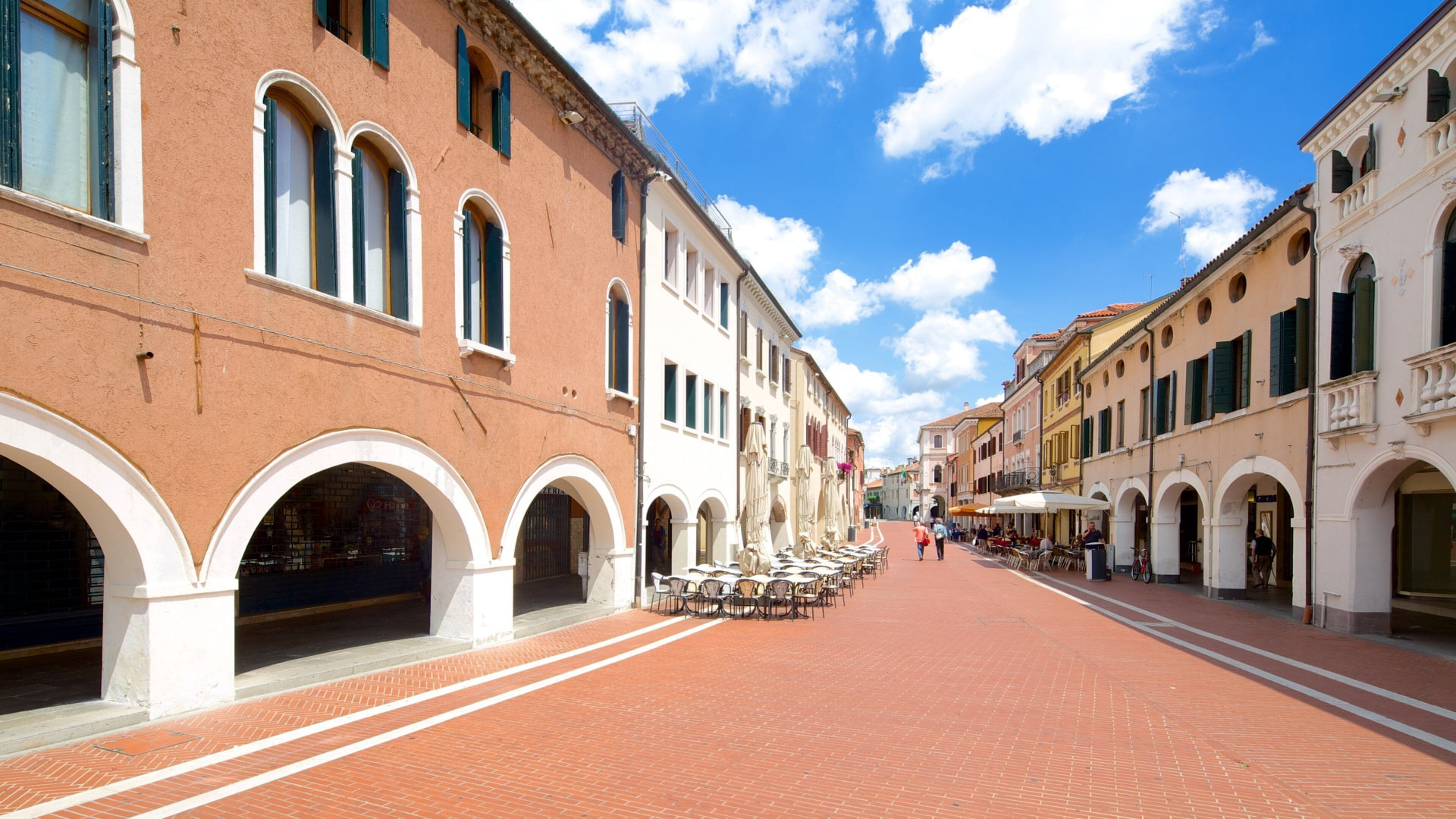
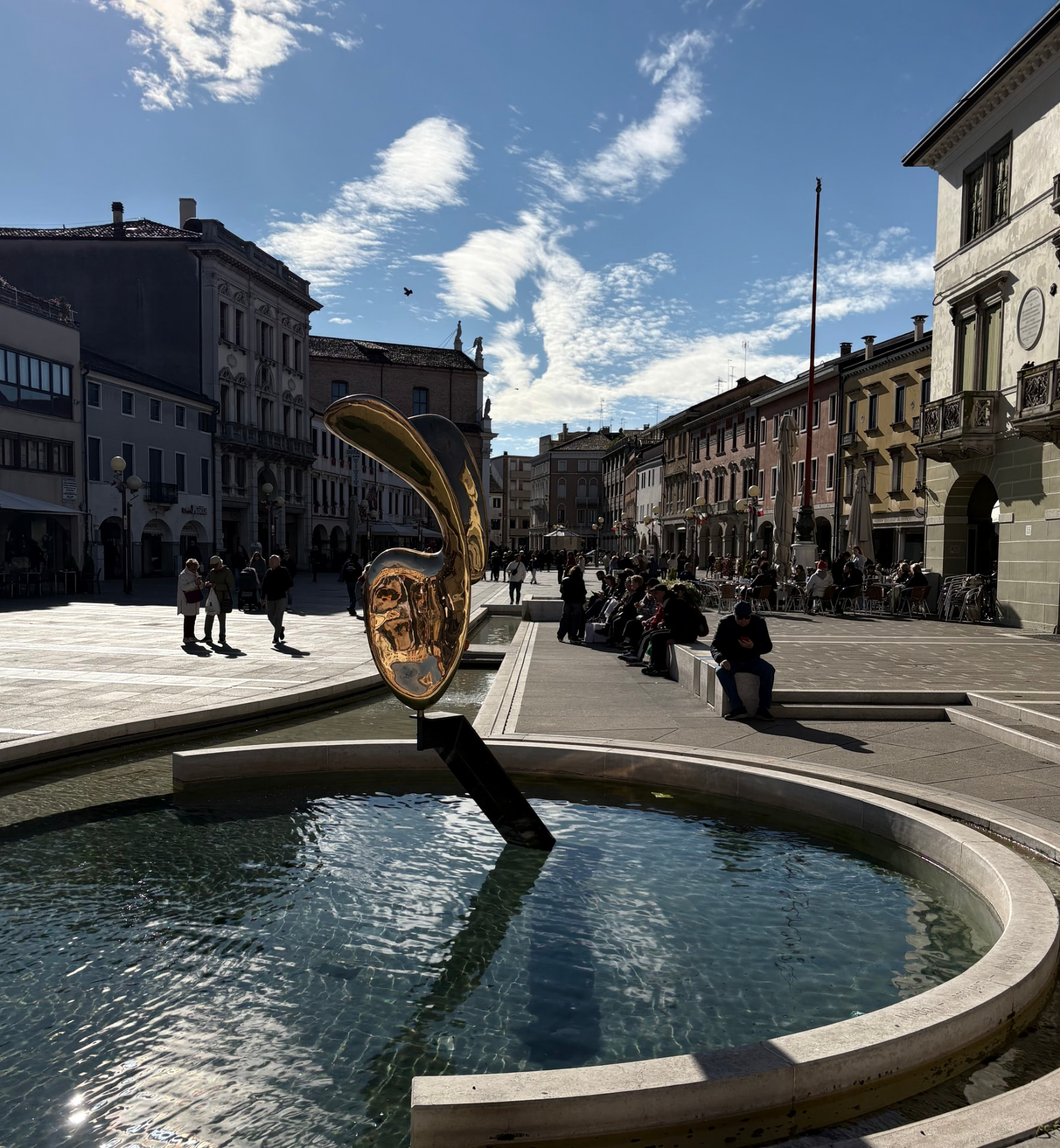
Mestre's centre is pedestrianised and arranged around Piazza Ferretto, which is a proper Italian square rather than a tourist arena. The Torre dell'Orologio stands at the top of it, the surviving tower of the medieval castle. The Palazzo da Re sits in the middle with its three-arched portico, known locally as the Pavion, which was used for the grain market. There is a fountain at the centre, and the cathedral of San Lorenzo is a few steps away.
We stopped there for a drink before lunch and the match, and the square was full. Not full of visitors. Full of families, several generations at a table, with children running about between the chairs while the adults worked through the aperitivo hour. Almost everybody was drinking a spritz, and the glasses came in two colours.
The orange one is Aperol, invented in Padua in 1919 and since become the most successful Italian drinks export of the century. The darker red one is Select, created in Venice in 1920 by the Pilla brothers in Castello and the base of the traditional Venetian version of the drink. It is more bitter and more complex than Aperol, and it comes with a green olive rather than a slice of orange. Part of its production returned to the city in 2023 when Ca' Select opened in Cannaregio. On this square, Select was everywhere.
Ordering one is the easiest way to drink the local version rather than the export version, and you will see far more of them here than you will on the island.
The Walk to the Football
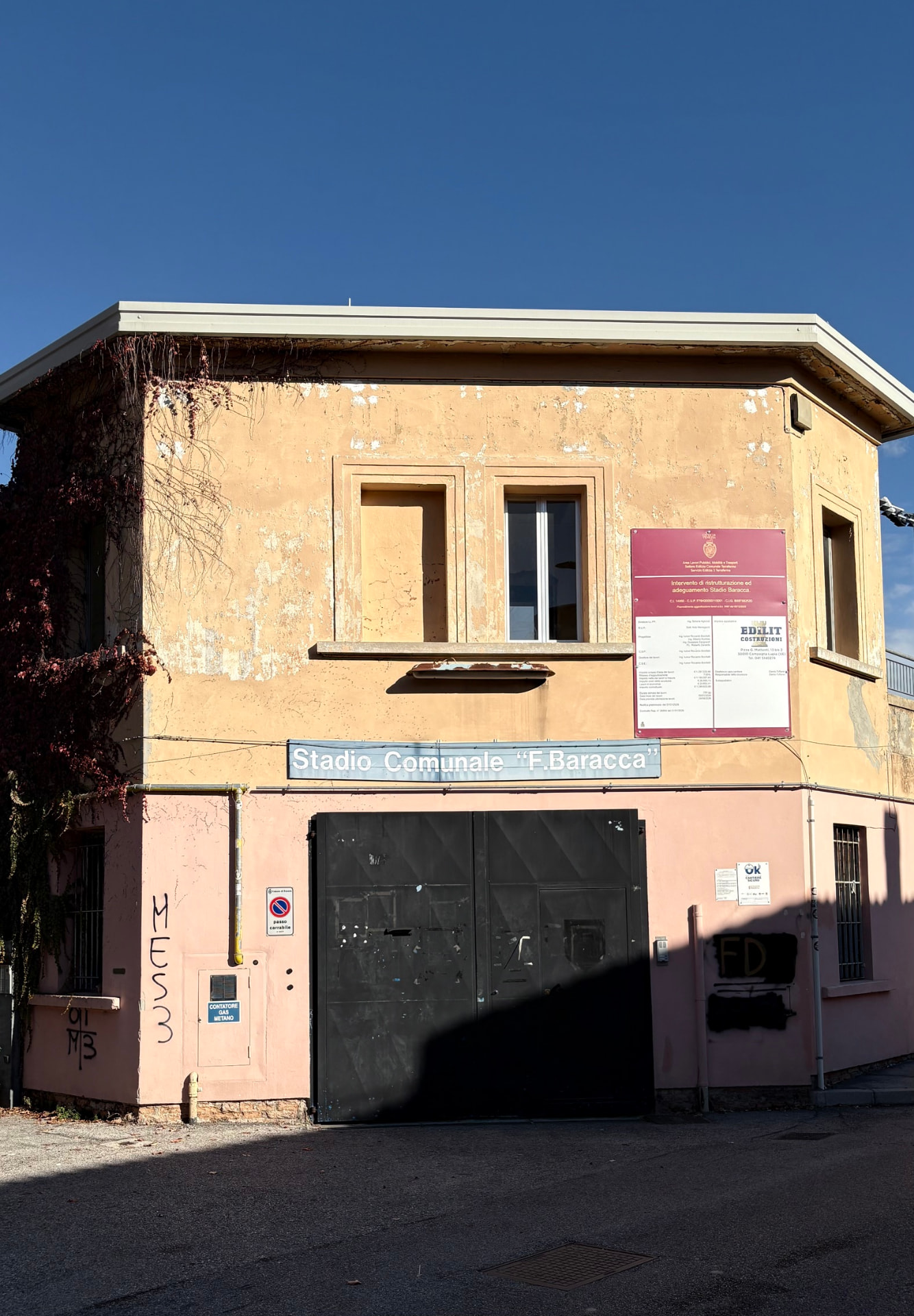
From the square we walked out to the Stadio Francesco Baracca for AC Mestre against LME Lavarian Mortean Esperia, in Serie D, the fourth tier of Italian football. The walk is twenty minutes or so through smart residential streets, blocks of good apartment buildings with balconies and shuttered windows, people coming back with the Sunday shopping. It is unremarkable and that is precisely what makes it worth doing. This is what an ordinary prosperous Italian town looks like, a quarter of an hour from one of the most photographed places on earth.
The ground sits inside one of those residential blocks, a municipal stadium with a single metal stand and perimeter fencing. Admission was fifteen euros, cash at the gate. A salami roll was five and a Peroni four. Mestre won two nil, the first goal a header from a corner before the interval.
The financial side of that afternoon, including why the City of Venice has committed €1.75m to bringing the ground up to the standard Italy's professional league requires, is covered properly by our sister title The Pyramid in its comparison of Serie D and League Two. For our purposes the relevant thing is simpler: for the price of two spritzes on a terrace in San Marco you can spend a Sunday watching football among local people, which is not an experience the island offers at any price.
Why It Earns Its Place
Nobody needs persuading to visit Venice. The argument here is narrower: that a few hours on the mainland will tell you something about the city that the island cannot, because so much of the population the question is about now lives over here.
Mestre is not beautiful in the way Venice is beautiful, and it would be silly to pretend otherwise. There is more to it than we saw, including the M9 museum of twentieth-century Italy and Forte Marghera out on the lagoon edge, and both would justify a longer visit. But what the town has that the island has largely lost is ordinary life at ordinary prices. Sit on Piazza Ferretto with a Select spritz on a Sunday morning, watching families do exactly what families in this region have done at that hour for a century, and the whole trip makes more sense.
The Lifestyle Edit Scorecard
- Experience
- 9.2 / 10
- Setting
- 8.5 / 10
- Atmosphere
- 9.3 / 10
- Value
- 9.0 / 10
Who it's for
- Anyone on a second or third visit to Venice, anyone staying on the mainland who has been treating it purely as a cheap bed, and anyone curious about where the people who run Venice go home to.
- Less suited to a first-time visitor with three days and a list, who should stay on the island and come back to this another time.
Questions
- Where is Mestre?
- On the Venetian mainland, across the Ponte della Libertà from the historic island. It is part of the comune of Venice.
- How do I get there from Venice?
- The tram from Piazzale Roma takes around twenty minutes into the centre of Mestre. The train from Santa Lucia to Venezia Mestre is quicker at about ten minutes but leaves you at the station. Buses run frequently.
- Do I need a separate ticket?
- No. The ACTV ticket that covers the vaporetto also covers the mainland buses and the Mestre tram.
- Is Mestre worth visiting?
- If you want to see ordinary Venetian life at ordinary prices, yes. If you are on a short first visit and have not yet seen the island properly, no.
- What is there to see?
- Piazza Ferretto and the Torre dell'Orologio, the Duomo di San Lorenzo, the M9 museum of twentieth-century Italy, and Forte Marghera.
- What should I drink?
- A Select spritz. Select is the Venetian bitter, made in the city since 1920, and it is the base of the traditional local version of the drink. It is darker and more bitter than Aperol and arrives with a green olive.
- Can I watch football there?
- Yes. AC Mestre play in Serie D, the fourth tier, at the Stadio Francesco Baracca. Admission on our visit was fifteen euros, cash at the gate.
- How many people live in Mestre?
- The Venetian mainland has roughly 180,000 residents, of which Mestre is the largest part, against fewer than 50,000 in the historic centre.