Place
The Hawthorn — A Neighbourhood Pub That Needs No Reinvention
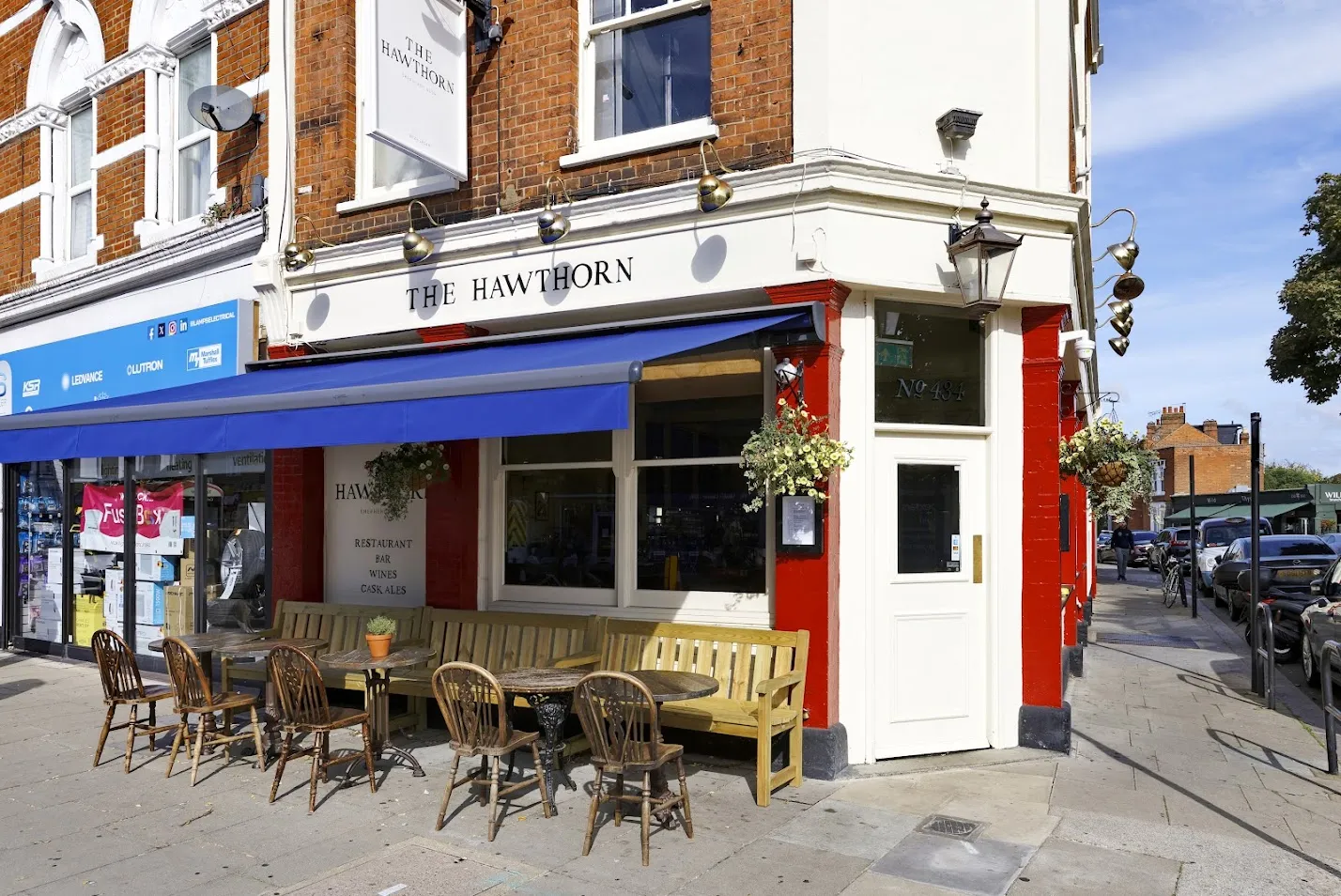
There is a particular pleasure in finding a pub so busy that you cannot get inside it. At The Hawthorn, on Uxbridge Road, we ended up standing outside with our drinks, the bar full and the pavement serving as an extension of it.
By James B. Stoney, Editor · 8 October 2026
This is not an isolated success in a neighbourhood otherwise abandoned by pub culture. The surrounding streets still have a considerable number of working pubs, each with its own clientele and character. The Hawthorn has entered an established market and quickly become one of its busiest addresses.
That makes its achievement more interesting than the familiar story of a neglected Victorian pub rescued by ambitious new operators. The building has been refurbished, the kitchen has attracted national attention and the people running it have arrived from a successful group of Cotswolds pubs. Yet the most compelling thing about The Hawthorn is how naturally it functions as a local.
A Victorian Pub With Several Lives
The building dates to 1878 and has traded under several names. It was the British Queen for well over a century, then the Pocket Watch, and its latest incarnation began in 2025 when Peter Creed and Tom Noest reopened it as The Hawthorn.
The name is the first clue that this is not a Cotswolds import with a London postcode. Shepherd's Bush is thought to take its own name from the practice of pruning a hawthorn bush into a shelter for shepherds resting flocks on the way to Smithfield. The pub is named after the thing the neighbourhood is named after.
Creed and Noest are behind Publican Pubs, a business built in the Cotswolds. Both are from the area — Noest from Withington, Creed from Shipton-under-Wychwood — and they first worked together at The Wheatsheaf in Northleach, Noest as head chef and Creed as manager. They took on the then-fallow Bell Inn at Langford in late 2017, reopening it that December, and have since added The Lamb at Shipton, The Fox at Broadwell, The Sherborne Arms at Northleach and The Tivoli in Cheltenham. The Hawthorn is their first venture into London.
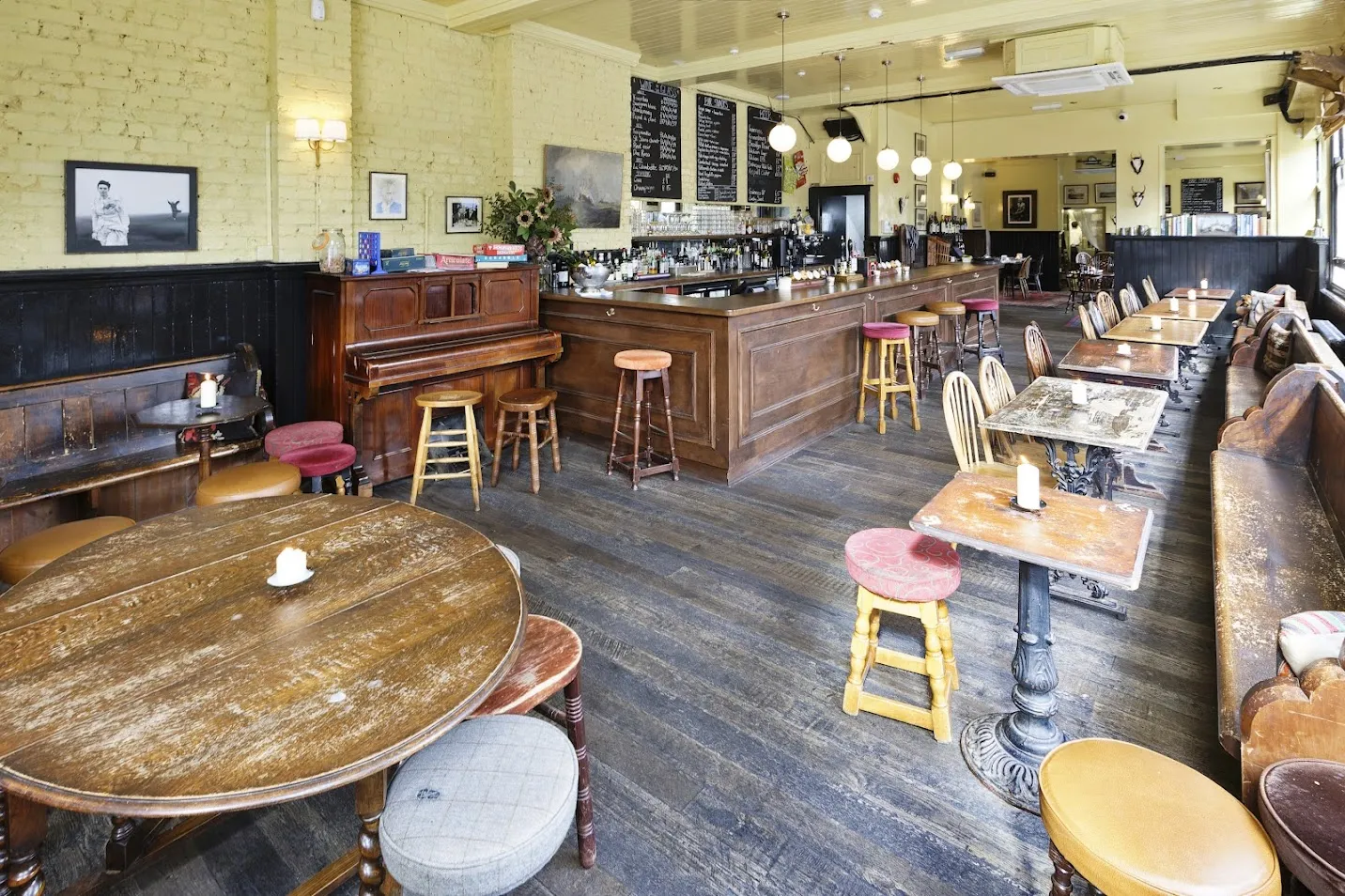
The refurbishment was sympathetic rather than theatrical. Traditional exterior colours, renewed sash windows and restored signage returned something of the building's Victorian identity, while the interior was given a lighter, warmer treatment: butter-coloured walls, timber, a newly built bar.
There is an interesting distinction in its ownership. The Hawthorn is operated by Creed and Noest, but the freehold remains with Brakspear, the pub company with roots in Henley-on-Thames, and the pub retains a beer-supply tie to them. It is therefore not an independently owned freehouse, although its day-to-day identity is very much shaped by its current operators. That arrangement is worth understanding, but it is not what defines the experience.
The Street Outside
The most telling verdict on The Hawthorn came from the Hammersmith Society, and it arrived alongside a rather different one.
In the Society's 2025 awards, The Hawthorn was nominated for the Tom Ryland Award for Conservation. The nomination praised the new sash windows, the signage and the traditional paintwork, and described the building as vastly improved. In the same year's awards, the Uxbridge Road itself was nominated for a Wooden Spoon. The Shepherd's Bush end of the road, the Society noted, has struggled for years; there had been a petition to the council to fix it and a proposal for a Business Improvement District.
One street, one set of awards, both ends of the scale. That is the context in which The Hawthorn is operating, and it explains why a careful restoration here means more than the same work would in a village.
A Pub That Has Found Its Crowd
Uxbridge Road is not an obvious setting for a carefully restored country-style pub. It is busy, urban and largely without the picturesque surroundings that have made Creed and Noest's Cotswolds establishments attractive destinations. Yet The Hawthorn seems entirely comfortable here.
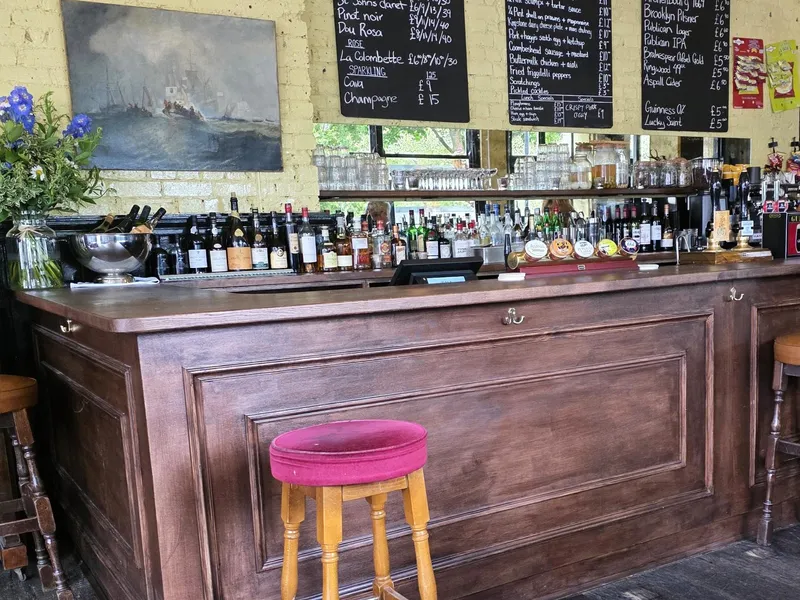
On our visit, the bar was packed. People were standing, talking and moving between the interior and the street. There was the energy of a pub that had become part of its neighbourhood rather than somewhere people visited solely because they had read a restaurant review.
That distinction matters. London has no shortage of pubs with expensive kitchens and polished interiors. Some operate principally as restaurants, with the bar reduced to somewhere diners wait for a table. Others preserve the appearance of a pub while making it increasingly difficult to visit casually.
The Hawthorn maintains the distinction. The front bar is a place to come for a pint; the dining area accommodates those who have made a more deliberate decision to eat. The advice to book early for dinner is not simply a marketing line — the pub was busy enough during our visit that we remained outside, and the atmosphere suggested a reputation that had travelled beyond the immediate neighbourhood without displacing the local clientele.
West London does not need every pub to become a destination restaurant. It needs places where people still want to gather.
The Kitchen's Reputation
Noest's cooking is a significant part of why The Hawthorn has drawn attention, and it comes with a track record. Giles Coren described what the pair did at The Bell as nothing short of divine, called its bone marrow flatbread the best mouthful of his life, and later named The Bell the best pub restaurant in the country. The Lamb won Best Pub at the GQ Food & Drink Awards in 2022.
He came to Shepherd's Bush too, in June 2025, and the review says as much about the pub's position as its cooking. Coren is a QPR supporter, so a new pub by his favourite Cotswolds publicans, minutes from Loftus Road, was never going to escape his attention. He brought three London gastropub landlords with him — Joe Swiers of the Bull & Last, Oisin Rogers of the Devonshire and Heath Ball of the Red Lion & Sun — and reported himself glad that they approved of "this thing I love".
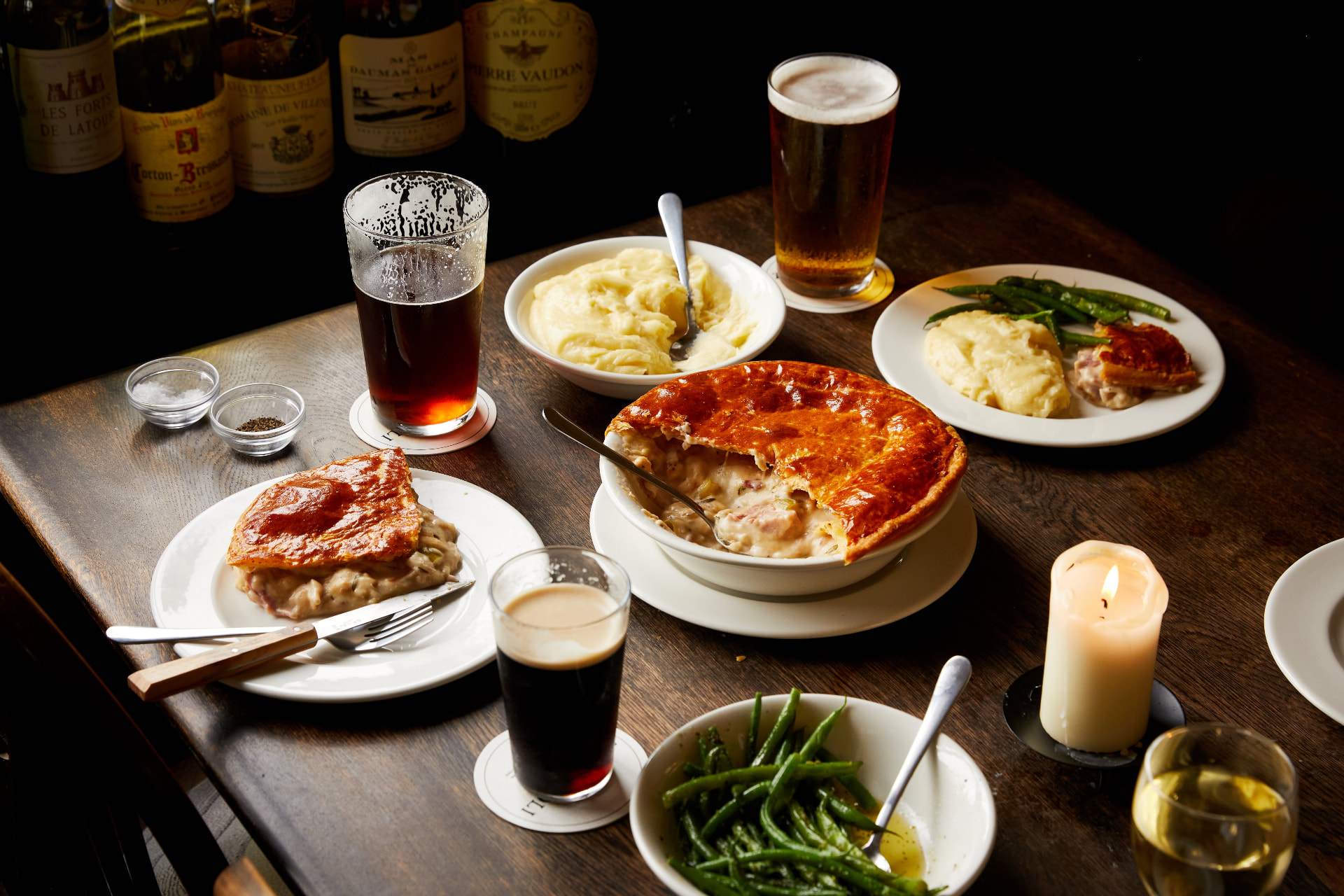
The approach is ingredient-led and recognisable rather than experimental: seasonal produce, substantial mains, smaller plates suited to drinking, traditional puddings. It suits the building and the clientele, since a pub menu has to offer something to the person stopping for a drink as well as the table making an evening of it.
We did not eat on this visit, so the cooking is reported here rather than assessed, and the scorecard below reflects that. What we can say is that the kitchen's reputation has not overwhelmed the pub. On a busy evening, the bar may be the more revealing part of the establishment.
The Country Pub Comes to London
Creed and Noest built their reputation in places where a pub often serves several roles at once: restaurant, meeting place, weekend destination and social centre. Transferring that to London presents a different challenge. A village pub can become a destination partly because alternatives are limited; on Uxbridge Road, competition is immediate, with other pubs within walking distance alongside restaurants, cafés and the constant movement of a busy neighbourhood. The Hawthorn has to justify itself to people who already have somewhere else to go.
The operators have resisted making the London venture dramatically different from their Cotswolds pubs. The ingredients remain familiar: a welcoming bar, carefully considered interiors, traditional cooking and hospitality that does not insist on formality. But the atmosphere is unmistakably urban — louder, busier and more spontaneous than the image of a quiet country pub suggests.
That contrast is part of its appeal. They have brought their experience to London without attempting to recreate the Cotswolds. The neighbourhood has supplied the rest.
Why It Earns Its Place
The Hawthorn deserves attention because it demonstrates that a successful pub does not necessarily need a new concept.
There is no elaborate reinvention of British drinking culture here. The building has been restored, the food is taken seriously and the service is intended to make both dining and drinking enjoyable. The fundamentals remain recognisable. What makes the result distinctive is the combination of those elements with an unusually vibrant neighbourhood atmosphere, on a street that the local civic society was simultaneously nominating for a wooden spoon.
It would be easy to describe The Hawthorn as another example of the gastropub's continuing evolution, but that would understate what we found. The kitchen may attract the reviews; the crowded bar and the people spilling onto Uxbridge Road are equally important evidence.
This is an area where pubs are still part of everyday life. The Hawthorn has not created that culture. It has found a convincing place within it. And sometimes the clearest sign of a successful pub is that there is barely room to stand.
The Lifestyle Edit Scorecard
- Atmosphere
- 9.7 / 10
- Restoration
- 9.3 / 10
- Character
- 9.1 / 10
- Value
- 8.8 / 10
Who it's for
- The Hawthorn is for anyone who values the social life of a neighbourhood pub but wants the option of genuinely good cooking. It works for an informal drink, a longer evening with friends or a planned dinner. The atmosphere is lively rather than hushed, particularly at busy times, so anyone looking for a quiet dining room may prefer an earlier sitting.
- It is also worth visiting for anyone interested in how London's pub culture is changing. The Hawthorn is neither an old-fashioned local resisting improvement nor a restaurant that happens to occupy a pub building. It has found a productive middle ground.
- For food, book ahead. For a drink, be prepared to stand.
Questions
- Where is The Hawthorn?
- 434 Uxbridge Road, Shepherd's Bush, London W12 0NS, on the corner of Thorpebank Road and a few minutes from Loftus Road.
- Who runs The Hawthorn?
- Peter Creed and Tom Noest, through their Publican Pubs business. Noest is the chef; the pair also run The Bell at Langford, The Lamb at Shipton, The Fox at Broadwell, The Sherborne Arms at Northleach and The Tivoli in Cheltenham.
- Who owns the building?
- The freehold is owned by Brakspear, and the pub retains a beer-supply tie to them.
- What was The Hawthorn called before?
- The British Queen, from its construction in 1878 until 2015, and then the Pocket Watch until 2025.
- Where does the name come from?
- Shepherd's Bush is thought to take its name from the practice of pruning a hawthorn bush into a shelter for shepherds resting their flocks.
- What kind of food does it serve?
- Seasonal British pub cooking: substantial mains, smaller plates, traditional dishes and puddings. The menu changes.
- Do you need to book?
- For dining, yes, particularly at busy times. The bar is informal, but it can be standing-room only.