Product
Blackbury Honey Farm — The Sweet Side of East Devon
A family-run honey farm near Colyton where the quality of the produce is matched by beekeeping credentials nobody else in the country can claim.
By James B. Stoney, Editor · 18 October 2026
A Working Farm, Not a Rural Theme Park
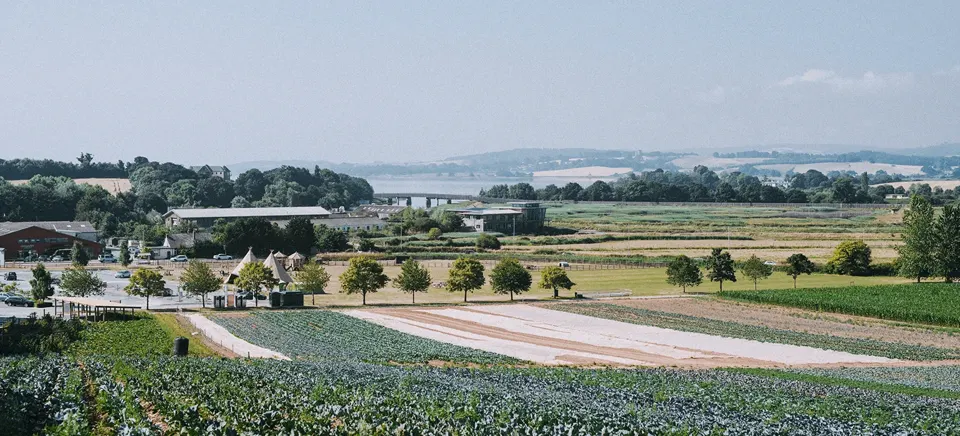
Blackbury Honey Farm is the sort of place that makes an unhurried summer afternoon in East Devon particularly enjoyable. Set in the countryside near Southleigh, it combines a working beekeeping operation with a shop, tea room, gardens and meadow walks. There is no elaborate visitor concept and no admission ticket. You arrive, walk around the public parts, and find out what the farm makes.
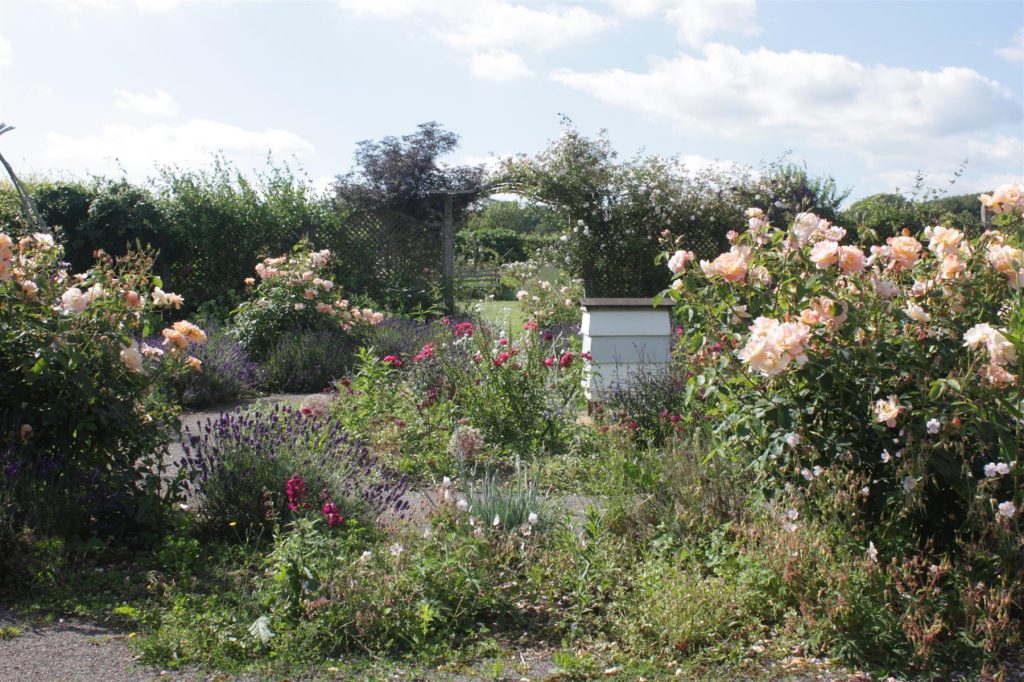
It was built in 2010 as a purpose-built base for the Basterfield family's commercial beekeeping, their queen rearing and their teaching, and opened to the public three years later. That order of events matters. Blackbury is not a farm shop that has borrowed the language of local agriculture — the bees came first, the visitors second, and the business would carry on without them.
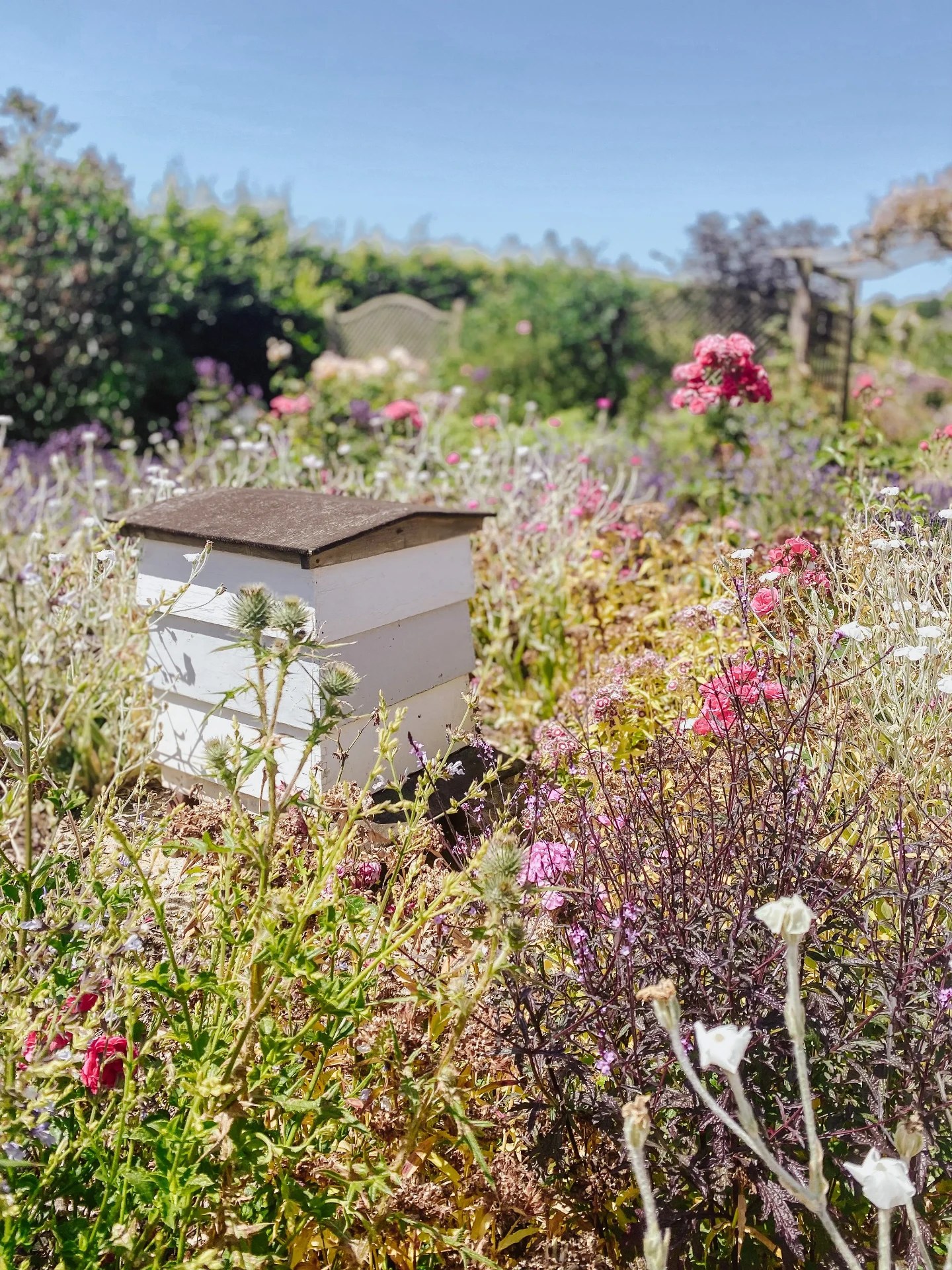
The setting is pleasant rather than spectacular, with gardens, orchard and a wildflower meadow giving you somewhere to walk before you get to the shop. In summer that makes the visit feel like an afternoon rather than an errand.
The Only Family in the Country
Ken and Dan Basterfield are the only father and son ever to have been awarded the National Diploma in Beekeeping, the highest qualification in the discipline in the UK. That is the fact to hold on to, because everything else about the place follows from it.
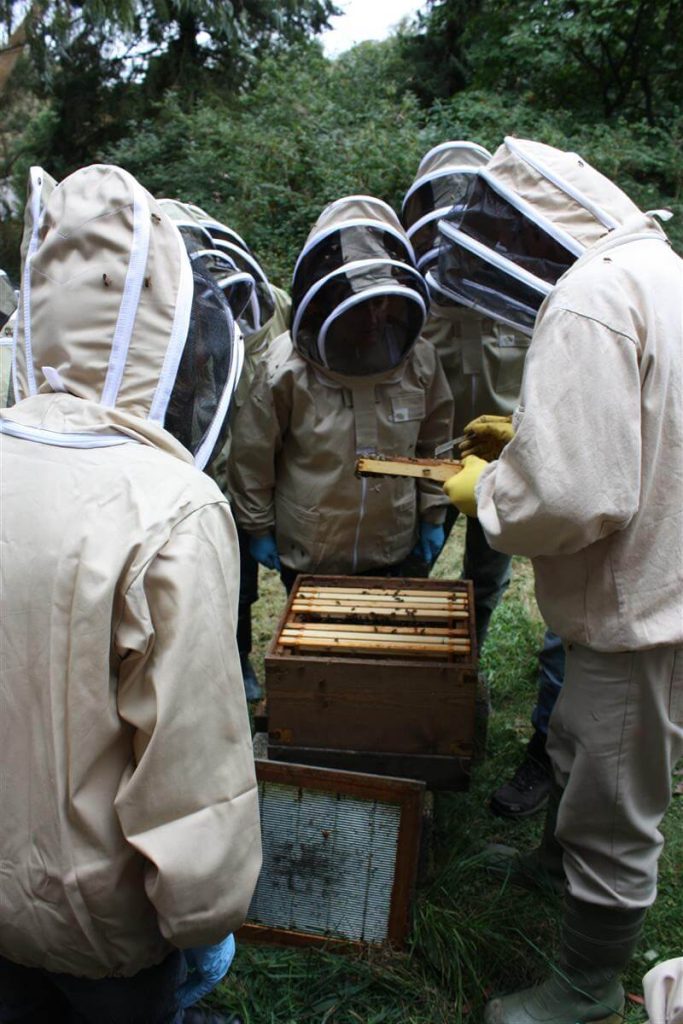
Ken is a chartered engineer who got his first hive in the mid-1970s and was running 150 colonies alongside a full-time job by 1979. He took the NDB in 1996, founded the Devon Apicultural Research Group, examines for the BBKA at every level from Basic to Advanced Husbandry, has served on its examination board as a trustee, and has sat on the NDB board since 1998 — he ran the national residential Advanced Course from 1997. Dan grew up earning pocket money clipping and marking queens, spent fifteen years in IT and banking, and came back to the bees in 2005. He is a Master Beekeeper too, and has written a book on raising queens in Apideas. Ken's own version of how it happened is better than any of that: they were heading for retirement when their son came back from a career in banking and computing and said he wanted to take over the bees.
Together they run around 120 colonies commercially. The farm has a classroom, a laboratory, a teaching apiary and an extraction room, and in 2020 they set up Advanced Beekeeping Courses for beekeepers with three to five years behind them who want to go further. Several hundred students have been through the place.
It is a useful reminder that honey production is not collecting what bees happen to make. Managing healthy colonies means understanding seasonal development, disease, forage, breeding and the weather, and the difference between a good beekeeper and a lucky one is mostly knowledge.
You can see the hives, which is more than most working apiaries allow and the thing that makes a visit worth making rather than just a stop for jam. The courses are a separate proposition with their own hands-on apiary time, but the ordinary visitor is not kept at arm's length from the bees.
The Honey Is Worth Bringing Home
We bought honey and marmalade, and both were very good indeed.
That is the simplest test of a small producer, and the only one that really counts. The surroundings can be attractive and the family history remarkable, but the jar has to justify itself on the kitchen table a fortnight later. Blackbury's did.
Honey bought directly from the people who keep the bees carries something a supermarket jar cannot, and not only sentimentally — it is a product that genuinely varies with the season and whatever the bees have been able to reach, so provenance is information rather than marketing. The marmalade is not a product of the hives in the same way, but it made the same case for the kitchen behind the shop.
There is a particular satisfaction in a visit that keeps paying out after you get home. Two good jars are a better souvenir than most things you can buy on a day out in Devon.
The Pleasure of a Free Afternoon
One of Blackbury's strongest qualities is that it asks nothing of you at the gate. There is no admission charge for the gardens or to see the hives, so an afternoon here need not be built around a paid activity, and you can walk the gardens, orchard and meadow and leave again having spent nothing.
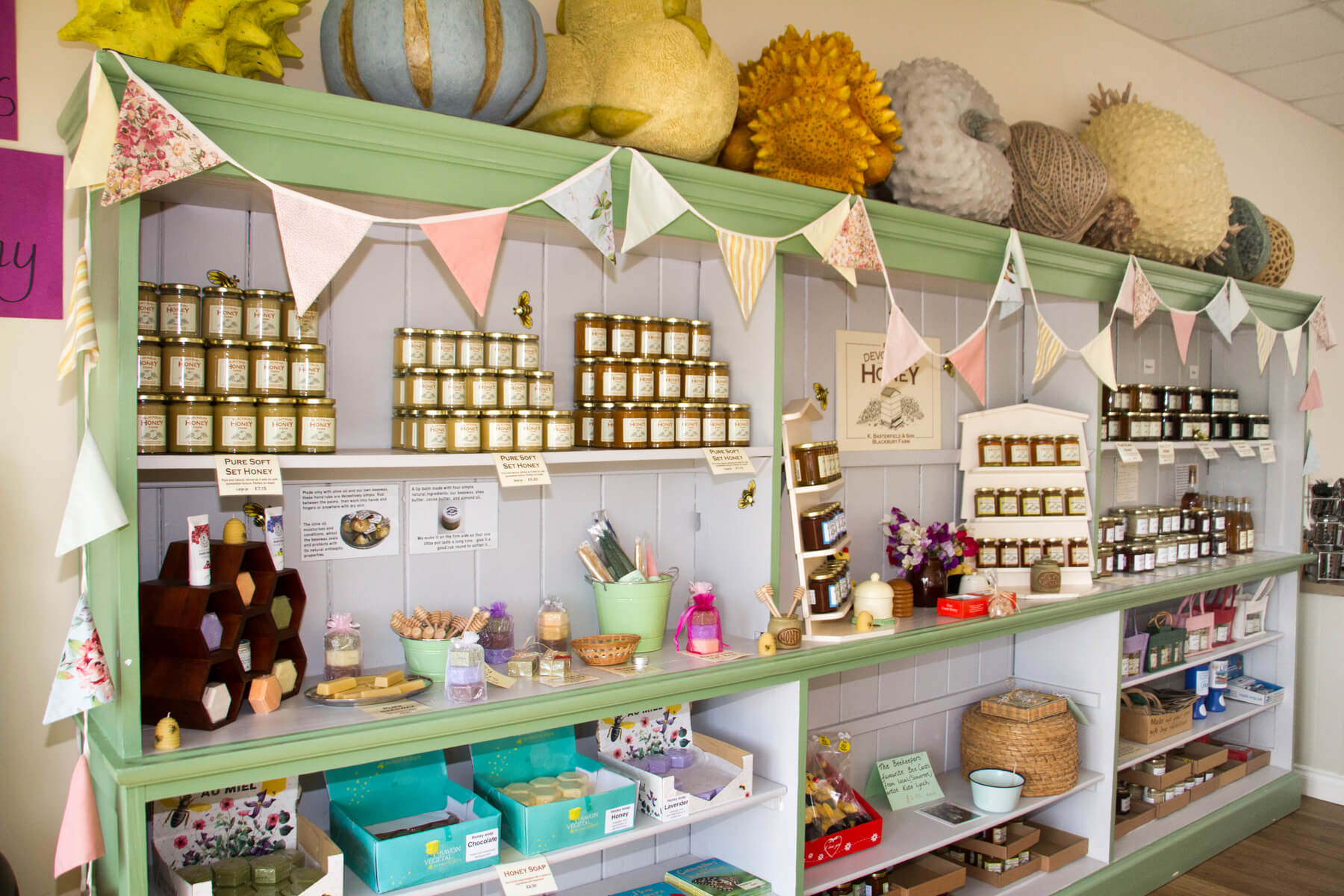
The farm is modest in scale, and anyone expecting displays, demonstrations or a visitor centre will find it thin. That is not really the point. It works as a small, genuine agricultural destination where the produce and the people behind it are the attraction, and the free access changes the value of the whole proposition — you decide afterwards whether to spend, rather than paying up front and hoping.
Why It Earns Its Place
Blackbury represents a side of East Devon worth as much attention as the coast and the hotels: small producers whose businesses rest on specialist knowledge and the quality of what they make.
The visit was a thoroughly enjoyable summer afternoon and the honey and marmalade were both excellent. What lifts it above a pleasant countryside stop is the depth behind the counter — a national teaching centre run by the only father and son in Britain to hold the discipline's highest qualification, operating quietly down a lane near Colyton.
It is not a grand destination and does not pretend to be. A genuine working farm, very good produce, and an easy place to spend part of a summer day.
The Lifestyle Edit Scorecard
- Product & Provenance
- 9.4 / 10
- Craft & Expertise
- 9.2 / 10
- Setting & Presentation
- 8.5 / 10
- Value & Experience
- 9.3 / 10
Who it's for
- Anyone interested in good local produce, beekeeping, or smaller agricultural businesses, and particularly good for a relaxed summer visit with something worth taking home. Also a sound starting point for anyone considering keeping bees, though practical instruction requires a course.
Questions
- Where is Blackbury Honey Farm?
- Southleigh, near Colyton, East Devon, EX24 6JF.
- Is it free to visit?
- Yes. There is no admission charge for the gardens, hives, shop and tea room. Courses and organised activities are charged separately.
- What can you buy?
- The farm's own honey and hive products alongside preserves, jams, lip balms and candles. We bought honey and marmalade, and both were excellent.
- Is it a working honey farm?
- Yes. Ken and Dan Basterfield run around 120 colonies commercially, alongside queen rearing and teaching.
- Can you see the bees?
- Yes. The hives are visible from the gardens, which are free to walk around. Hands-on apiary work is part of the courses.
- Can you take a dog?
- No. Blackbury is a dog-free site.
- Is there a café?
- Yes, a tea room, along with gardens, an orchard and a meadow to walk.
- When should you go?
- Summer suits the gardens and meadow best. Opening varies seasonally and the farm closes over winter, so check before travelling.