
Edit No.15
The Original Middle East
Five addresses across Jordan, Oman, Qatar and Saudi Arabia — from Mijana on Rainbow Street to Hegra's Nabataean tombs.
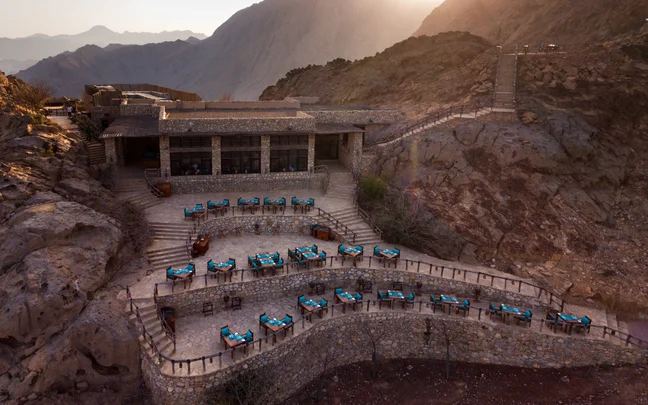
Dubai and Abu Dhabi have done an extraordinary job of making themselves known. But the region they represent is one version of the Middle East — and not the oldest or the most layered one. Jordan, Oman, Qatar and Saudi Arabia offer something different: landscapes, cuisines and histories that predate the Gulf's recent reinvention by several thousand years, and a hospitality culture that has grown from the place rather than been imported into it.
This edit covers five addresses across four of those countries. A family restaurant on an Amman side street with 17,000 reviews. An Omani resort accessible by paraglider between mountains and the Gulf. A Michelin-recognised Persian restaurant that has changed what Doha means as a dining destination. An overwater resort on an undamaged Red Sea coral reef accessible only by seaplane. And the Nabataean UNESCO site in AlUla that answers the question everyone asks after Petra.
The right moment for all of them is now — before the rest of the world catches up.
In this edit
Place
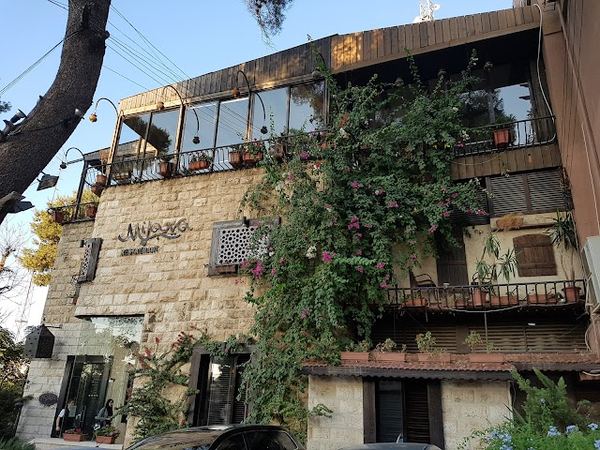
The Restaurant Rainbow Street Is Built Around: Mijana, Amman
A converted 1950s estate just off Rainbow Street. Palestinian, Jordanian and Lebanese food at a standard that 17,000 reviews describe the same way.
Living
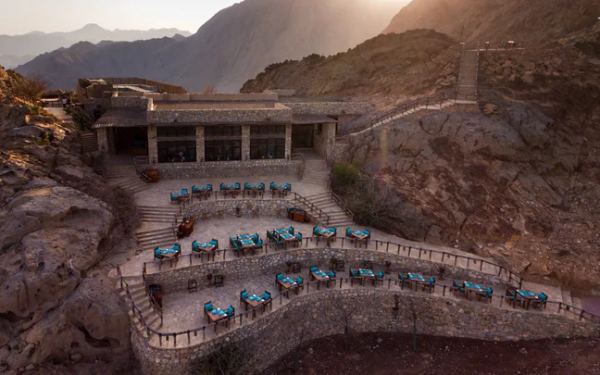
The Resort That Earns Its Remoteness: Six Senses Zighy Bay, Oman
82 private pool villas between the Hajar Mountains and the Gulf of Oman. A mountaintop restaurant 961 feet above sea level. Arrival by paraglider if you choose.
Place
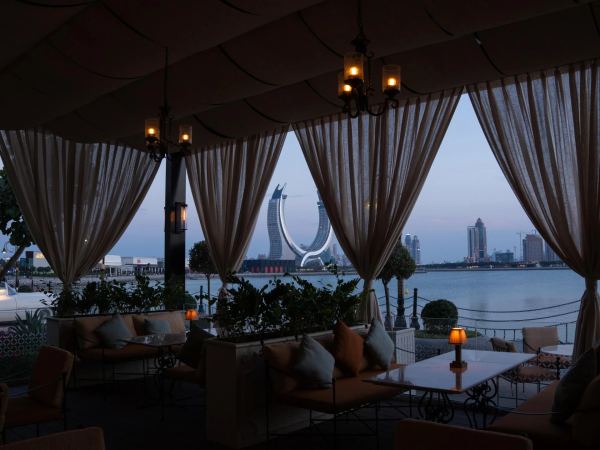
The Restaurant That Changed the Conversation About Doha: Berenjak, Al Maha Island
Berenjak Al Maha Island holds a 2026 Michelin Bib Gourmand. Charcoal-grilled kebabs, black chickpea hummus, ghormeh sabzi and saffron crème caramel with views of the Doha skyline.
Living
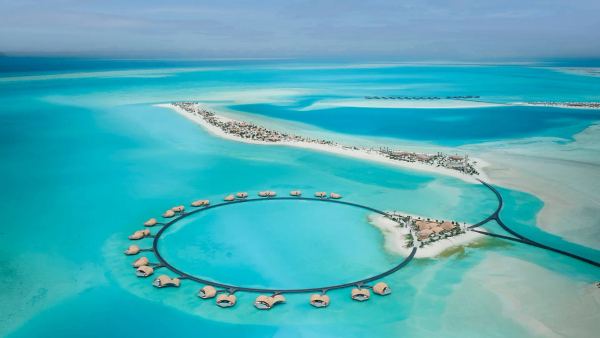
Saudi Arabia's Red Sea in Full: Nujuma, a Ritz-Carlton Reserve
Overwater villas on the Ummahat Islands. The world's fourth-largest barrier reef with undamaged coral. A dark sky reserve. Accessible only by seaplane or chartered boat.
Experience
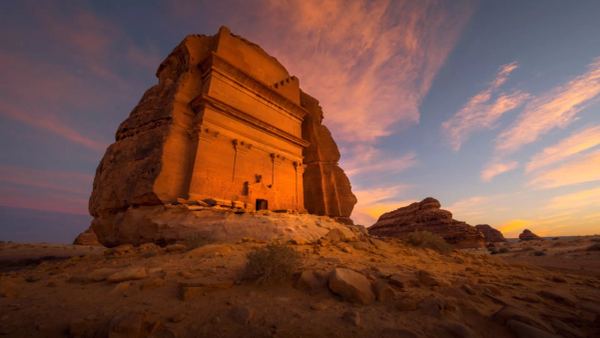
Saudi Arabia's Answer to Petra — and Why to Go Now: Hegra, AlUla
Saudi Arabia's first UNESCO World Heritage Site — 111 Nabataean tombs carved into rose-red sandstone, less crowded than Petra, and only open to visitors since 2019.
Questions
- What is covered in Edit No.15?
- Edit No.15 is a Middle East issue covering five addresses across Jordan, Oman, Qatar and Saudi Arabia. Mijana, a family-run restaurant on Rainbow Street in Amman. Six Senses Zighy Bay, an 82-villa resort on the Musandam Peninsula in northern Oman. Berenjak Al Maha Island, a Michelin Bib Gourmand Persian restaurant in Doha. Nujuma, a Ritz-Carlton Reserve, on the Ummahat Islands in the Red Sea. And Hegra, Saudi Arabia's first UNESCO World Heritage Site, in the AlUla valley.
- Why Jordan, Oman, Qatar and Saudi Arabia rather than the UAE?
- The UAE — Dubai and Abu Dhabi in particular — has been extensively covered and is well understood as a travel destination. Jordan, Oman, Qatar and Saudi Arabia offer something different and considerably less familiar: landscapes, cuisines and histories that predate the Gulf's recent reinvention by several thousand years. Saudi Arabia has been open to international leisure visitors only since 2019. This edit is about the Middle East that was always there — before the one that everyone already knows.
- Which is the best hotel in this edit?
- Nujuma, a Ritz-Carlton Reserve, is the most significant new hotel opening — overwater villas on an undamaged coral reef accessible only by seaplane or chartered boat, with two Michelin Keys and a Forbes Five Star rating for 2026. Six Senses Zighy Bay is the most established and most considered wellness resort in the region, with back-to-back World Spa Awards and Michelin sustainability recognition.
- Which is the best restaurant in this edit?
- Berenjak Al Maha Island in Doha holds a Michelin Bib Gourmand and a 4.9 Google rating across 1,777 reviews — the most critically recognised restaurant in Qatar. Mijana in Amman is the more culturally embedded choice — 17,000 reviews averaging 4.8, a family-run Jordanian institution that has been part of Rainbow Street long enough to feel inseparable from it.
- When is the best time to visit these places?
- October through April is the strongest season across all four countries — temperatures are manageable, the AlUla Moments programme is active in Saudi Arabia, and the outdoor terraces and activities at Six Senses and Nujuma are at their best. Saudi Arabia and Oman are viable year-round; Jordan is excellent in spring. Booking well in advance is essential for Hegra, Nujuma, and Six Senses Zighy Bay at peak season.
- Do I need a visa for these countries?
- Saudi Arabia issues tourist e-visas online for most nationalities. Qatar offers visa-free entry for UK passport holders. Jordan and Oman both offer visas on arrival for UK passport holders, with e-visa options available. Entry requirements can change — check the FCDO travel advice for each country before booking.