
Edit No.13
The Nordics, Stripped Back
Juvet Landscape Hotel, Allas Sea Pool, Artipelag, Hotel SP34 and Arakataka.
This edit looks north — at a region whose architecture and hospitality often work by removing rather than adding.
It opens with Juvet, a landscape hotel in a Norwegian river valley where the building recedes and the landscape remains the experience. It continues with Allas Sea Pool on Helsinki's South Harbour, where wellness is treated as public infrastructure built into the city itself, and with Artipelag on the Stockholm archipelago, a contemporary gallery reached by boat where landscape, arrival and exhibition function as a single experience. Hotel SP34 in Copenhagen's Latin Quarter keeps the boundary between hotel and neighbourhood deliberately thin. It closes with Arakataka in Oslo's Grünerløkka, a contemporary Nordic restaurant where precision sits without performance.
What connects them is not geography. It is a consistent instinct to remove what is unnecessary and allow what remains to do the work.
In this edit
Experience
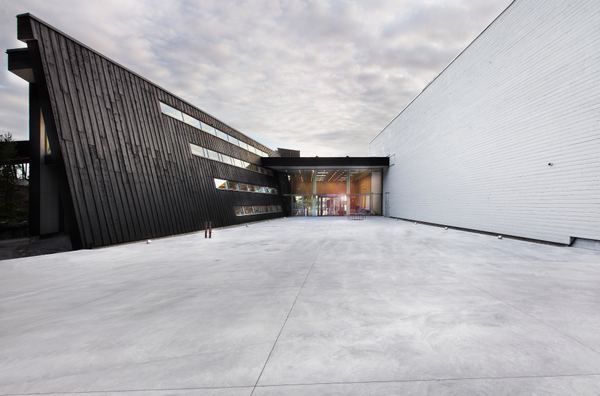
The Gallery That Arrives by Boat: Artipelag
A contemporary art gallery on the Stockholm archipelago, accessible by boat from the city — Artipelag does not ask you to leave Stockholm behind. It asks you to arrive differently.
Experience
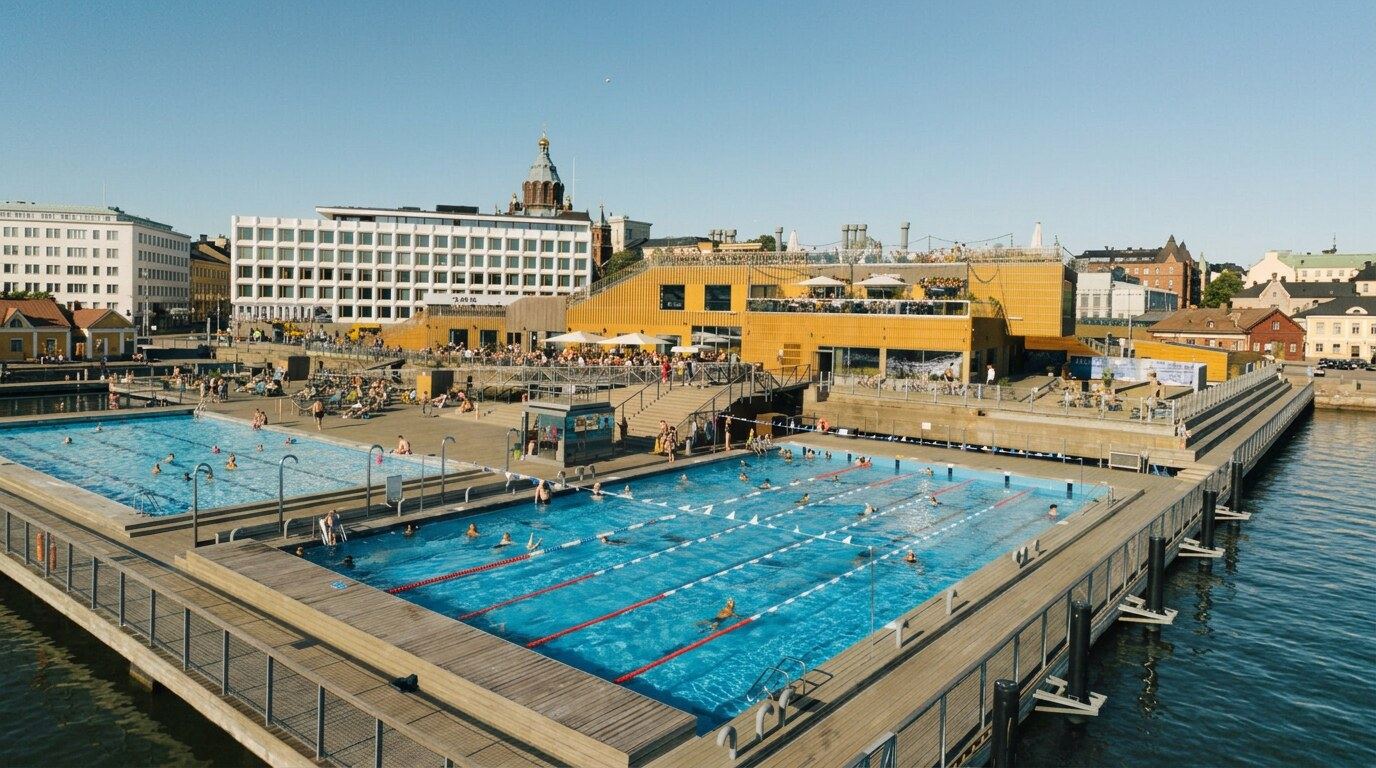
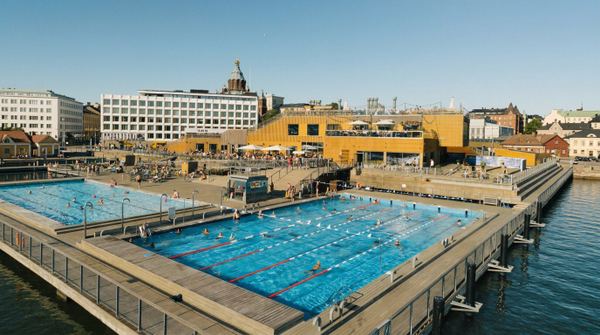
The City at the Water's Edge: Allas Sea Pool
A public sea pool on the Helsinki waterfront, open year-round — Allas does not separate wellness from the city. It places it at the centre of it.
Living
A Hotel That Thinks Like a Neighbourhood: Hotel SP34
A design-led hotel in Copenhagen's Latin Quarter, where the boundary between the hotel and the street outside it remains deliberately thin.
Place
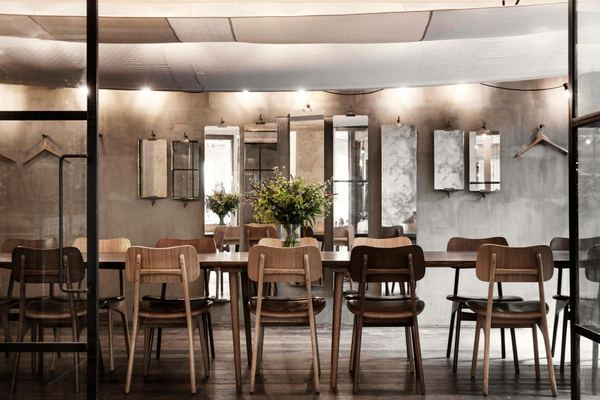
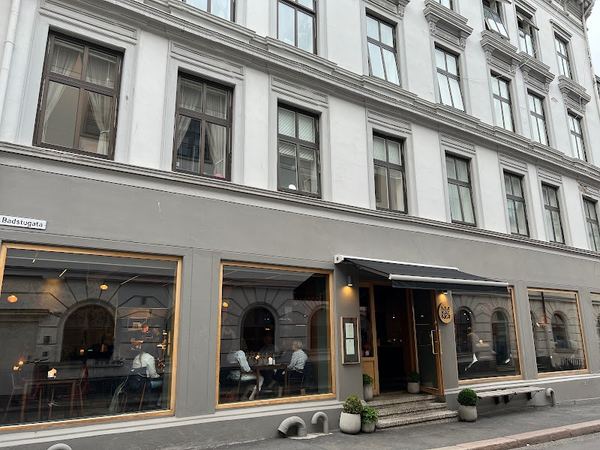
Cooking, Without the Theatre: Arakataka
A contemporary restaurant in central Oslo, running a seasonal Nordic menu for over a decade — Arakataka has not changed its approach to suit the moment, and the moment has caught up with it.
Living
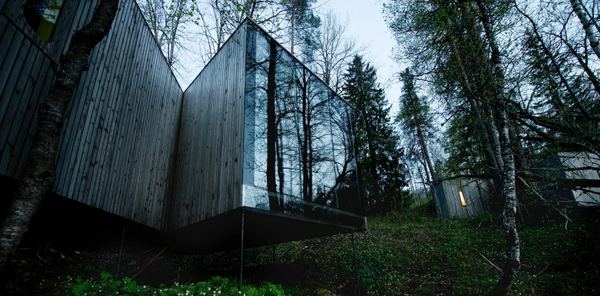
The Hotel That Disappears: Juvet Landscape Hotel
Individual pavilions in a Norwegian river valley, each oriented to frame a specific view — Juvet does not borrow from its landscape. It is built inside it.
Questions
- What is covered in Edit No.13?
- Edit No.13 covers five addresses across Norway, Finland, Sweden and Denmark. Juvet Landscape Hotel in Valldal, Norway is a collection of timber pavilions positioned within a river valley, each framing a distinct view of the surrounding landscape. Allas Sea Pool is a public sea pool and Finnish sauna on Helsinki's South Harbour waterfront, open year-round. Artipelag is a contemporary art gallery on the Stockholm archipelago, accessible by boat from the city. Hotel SP34 is a design-led hotel in Copenhagen's Latin Quarter, where the boundary between hotel and neighbourhood remains deliberately thin. Arakataka is a contemporary Nordic restaurant in Oslo's Grünerløkka, running a five-course seasonal menu for over a decade.
- What are the Nordic countries?
- The Nordic countries are Denmark, Finland, Iceland, Norway and Sweden. They share a broadly common cultural, historical and linguistic heritage, alongside consistent approaches to public life, design and welfare infrastructure. Edit No.13 covers four of the five — Norway, Finland, Sweden and Denmark — across five addresses that reflect the region's characteristic approach to architecture, hospitality and public space.
- What is Nordic design?
- Nordic design is broadly characterised by restraint, functionality and a close relationship between built environment and natural landscape. It emerged as a distinct movement in the early twentieth century across Scandinavia and Finland, with architects and designers including Alvar Aalto, Arne Jacobsen and Hans Wegner among its defining figures. The approach prioritises material honesty, usability and the removal of unnecessary elements — principles that continue to shape architecture, interiors, product design and hospitality across the region.
- Is Scandinavia the same as the Nordic countries?
- Not quite. Scandinavia refers specifically to Denmark, Norway and Sweden — the three countries sharing a common North Germanic linguistic and cultural heritage. The Nordic countries is the broader term, adding Finland and Iceland. In common usage the terms are often used interchangeably, though the distinction matters in cultural and linguistic contexts.
- What is the best time of year to visit the Nordic countries?
- The answer depends on what you are looking for. Summer — June to August — offers long days, warm temperatures and access to archipelagos and coastal landscapes. Winter — November to March — offers snow, darkness, the possibility of the northern lights in Norway, Finland and northern Sweden, and the full experience of sauna and cold water culture in its natural context. Spring and autumn are quieter and, for those interested in cities and cultural institutions, often preferable to the peak summer period.